It is a scene many tired professionals know well. You arrive on an island with one plan: do nothing. You find a lounger, open a book, order something cold. Twenty minutes later you are scrolling through email. By the second day you have read the same page four times, your mind is still running through next week, and you feel vaguely guilty for not enjoying it more. The problem is not the island. It is that doing nothing is surprisingly hard for a mind that has been busy for months, and lying still gives that mind nothing else to hold on to.
Why Moving Helps You Rest
Recovery research offers a clear explanation. Sabine Sonnentag and Charlotte Fritz found that one of the strongest predictors of feeling restored is "mastery": doing something absorbing and slightly challenging that has nothing to do with work. When your attention is taken up by finding your footing on a forest trail, timing a paddle stroke or spotting fish on a reef, there is simply less room left for rumination. Detachment happens as a side effect, rather than something you have to force.
The body benefits too. Light to moderate exercise improves sleep quality, helps regulate appetite and mood, and reliably increases feelings of energy. Add the calming effect of forests and water, which a growing body of research links to lower stress, and a day of walking, swimming and paddling often leaves people more rested than a day spent horizontal.
Why Koh Chang Works So Well
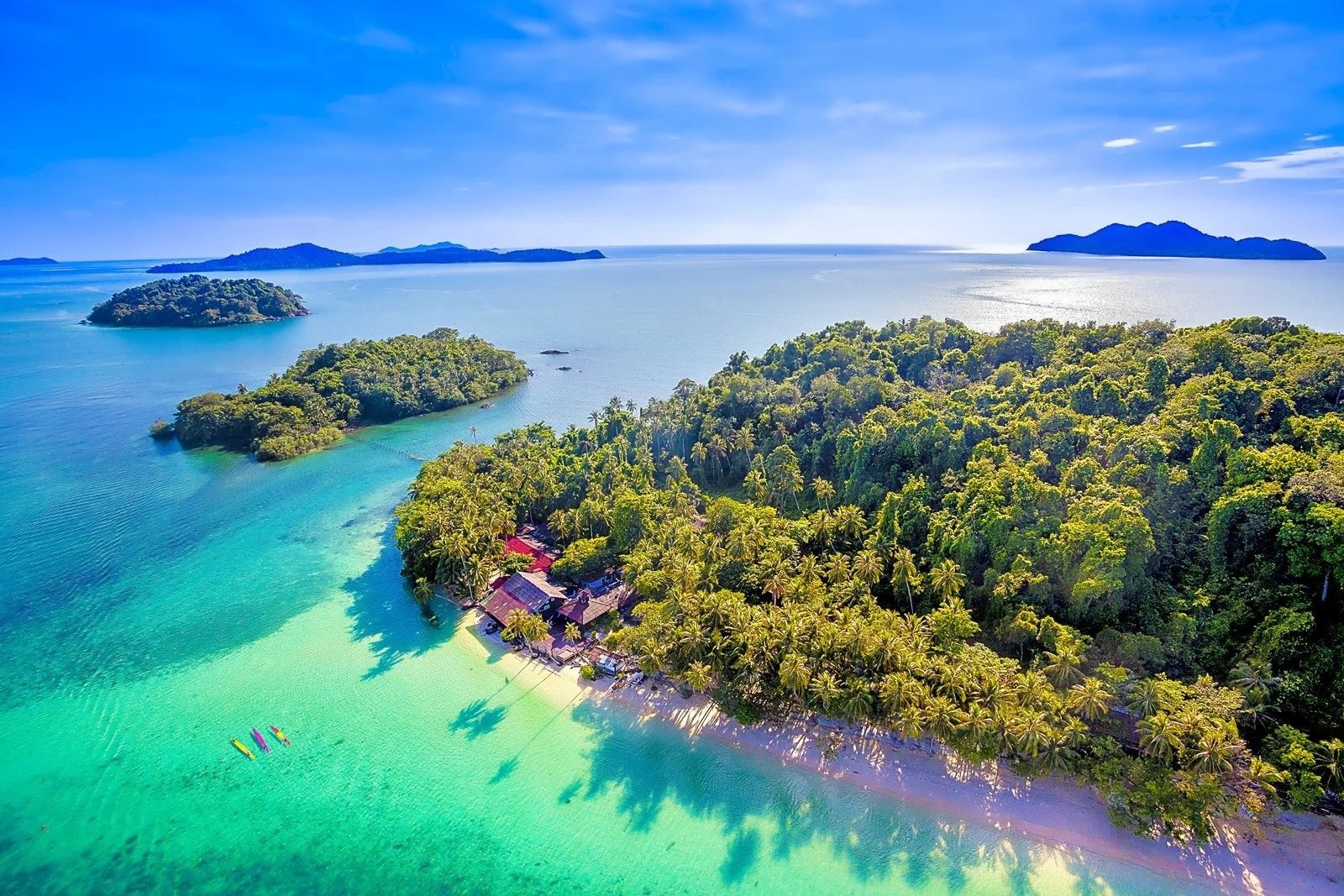
Koh Chang, in Trat province near the Cambodian border, is one of Thailand's largest islands, and most of it lies within Mu Ko Chang National Park. Unlike many resort islands, its mountainous interior is still largely covered in forest. That gives it an unusual combination: rainforest trails and waterfalls a few minutes from the beach, calm mangrove channels on the southern side, and dozens of smaller islands with reefs to the south. Everything you need for active recovery is within a short drive or boat ride, and the island is quieter and less developed than Phuket or Samui.
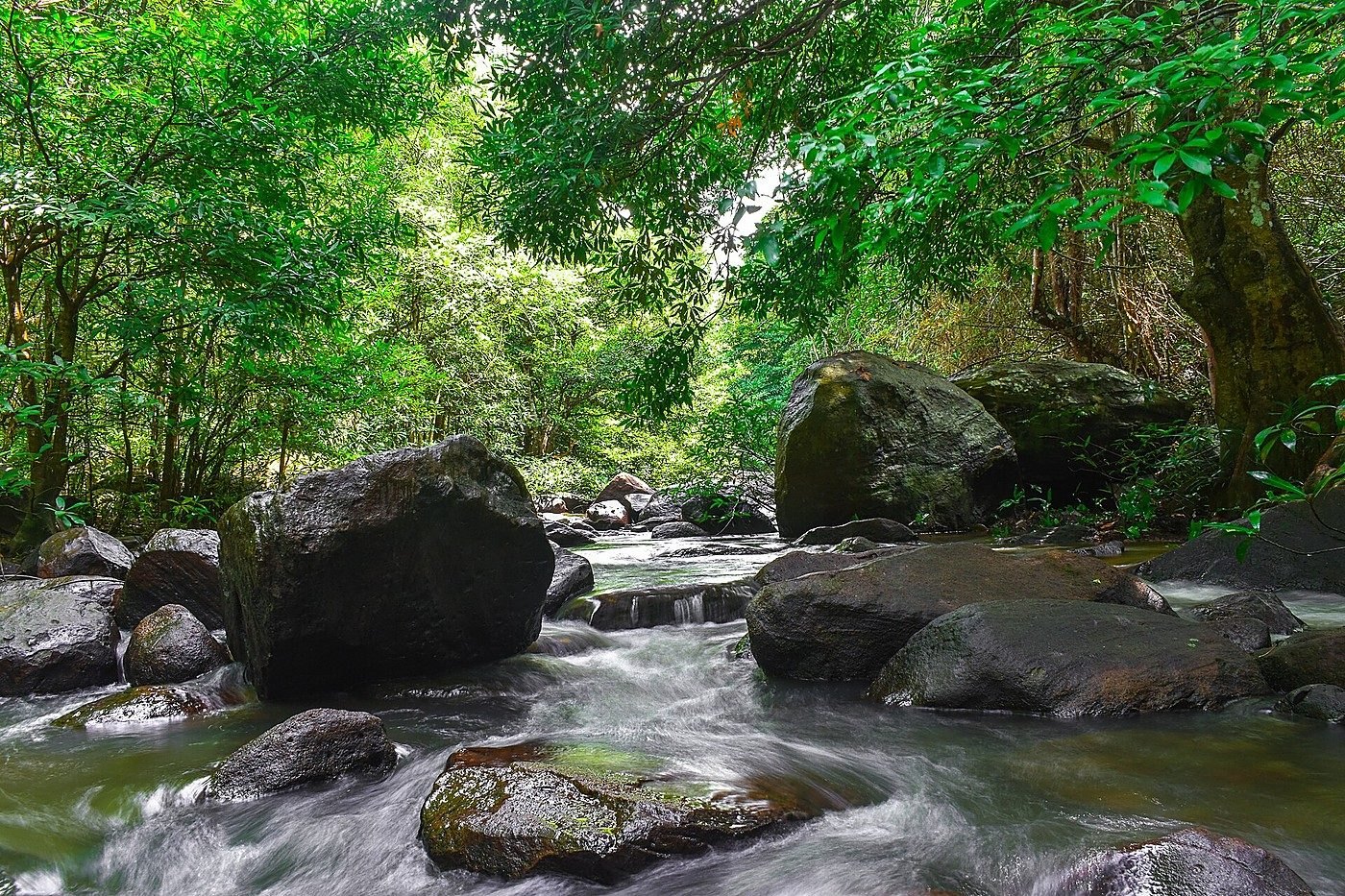
Forest streams and waterfalls are a short walk from the coast.
A Day of Active Recovery on Koh Chang
- Early morning: a waterfall walk. Short forest trails lead to falls such as Khlong Phlu and Than Mayom. Go before 9 a.m. while it is cool and quiet, and swim in the pools if the water is calm.
- Late morning: yoga or mobility. Thirty to forty-five minutes of gentle stretching on a deck or lawn helps the body absorb the walk.
- Afternoon: kayak the mangroves or snorkel. Paddle the calm channels on the southern side, or take a boat to the smaller islands for clear water and reefs.
- Evening: an easy swim, a light dinner and an early night. Physical tiredness from a day outdoors is very different from mental exhaustion, and it usually brings deep sleep.
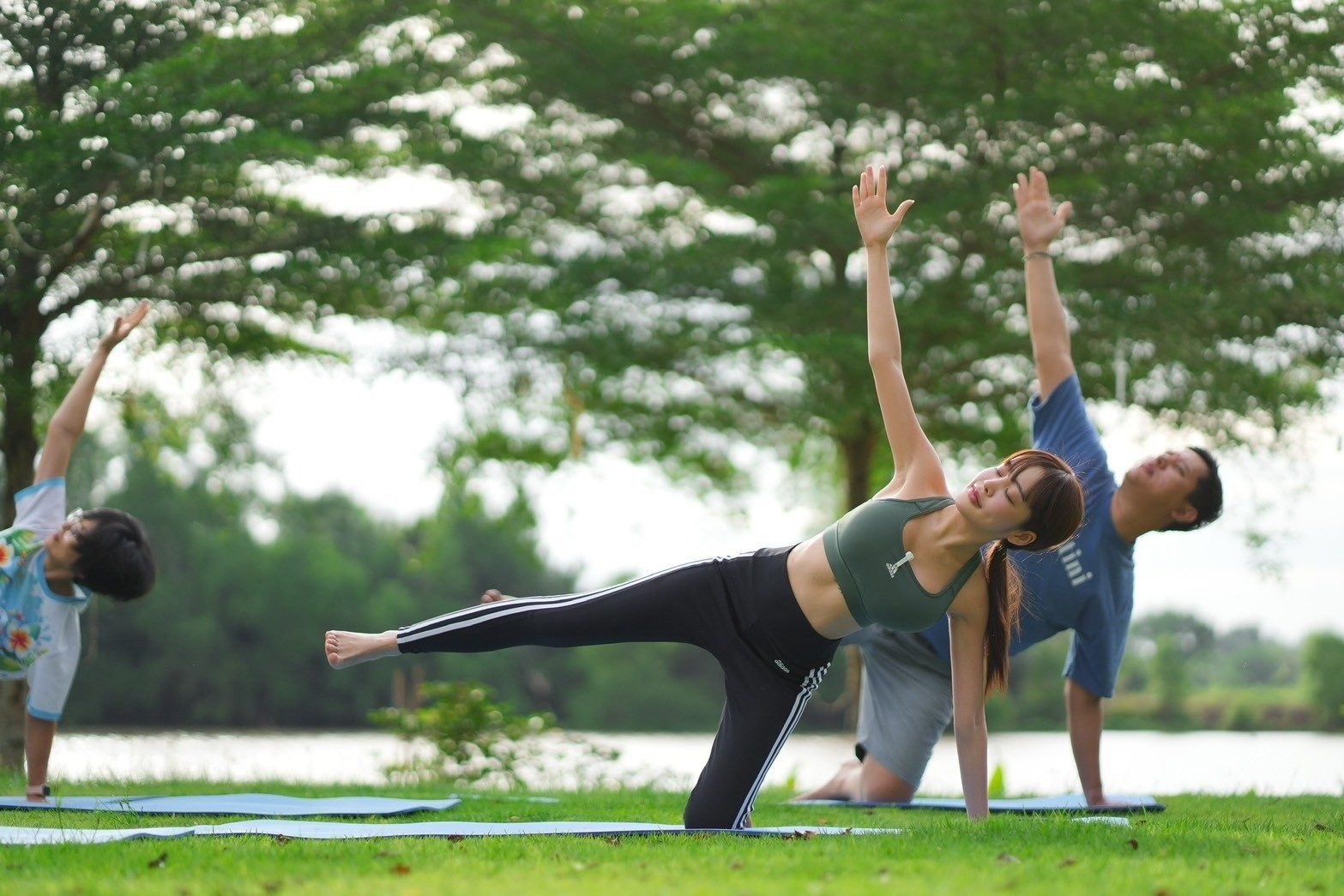
Gentle movement outdoors helps the body recover and the mind let go.
Active Recovery Is Not a Fitness Holiday
The key word is gentle. Active recovery should leave you pleasantly tired, not sore or depleted. If you finish a day feeling wrecked, you have turned rest into another performance target. Keep intensity low, take long breaks, eat well and drink plenty of water in the heat. The aim is to come home with more energy than you left with, not a personal best.
Frequently Asked Questions
What is active recovery? Low-intensity movement such as walking, swimming, yoga or paddling, done for enjoyment rather than performance, which helps both body and mind recover. How many days do I need on Koh Chang? Three to four nights gives time to settle in, enjoy two full days outdoors and travel back without rushing. When is the best time to visit Koh Chang? November to April usually brings drier weather and calmer seas; some boat trips are limited during the monsoon months.