Ask most visitors where to go for wellness in Thailand and the answers are predictable: Chiang Mai for temples and mountains, Koh Samui or Phuket for spas and beaches. The provinces east of Bangkok rarely come up, except as the road to Pattaya. That is exactly their appeal. The east is close, it is calm, and within a few hours' drive it offers something hard to find elsewhere in a single trip: a living tradition of Thai herbal medicine, some of the country's best fruit, mangrove forests, quiet beaches and a forested island inside a marine national park.
Prachinburi: Thailand's Herbal Medicine Heartland
About two hours from Bangkok, Prachinburi is home to Chao Phraya Abhaibhubejhr Hospital, a well-known centre of Thai traditional medicine. Its herbal products are sold nationwide, and the hospital's historic European-style building, built in the early twentieth century, is worth a visit in its own right. For wellness travellers, Prachinburi offers something more authentic than a hotel spa menu: traditional Thai massage and herbal treatments rooted in a medical tradition, plus nearby forests and waterfalls on the eastern edge of the Khao Yai range.
Rayong: Quiet Coast, Close to Bangkok
Around two and a half hours by road, Rayong has a long coastline with beaches far calmer than Pattaya, fruit orchards inland and easy ferry access to Koh Samet. Its mangrove areas and coastal parks are well suited to slow morning walks, and seafood here is a highlight. For people who want sea air without a flight, Rayong is the easiest reset on the eastern coast.
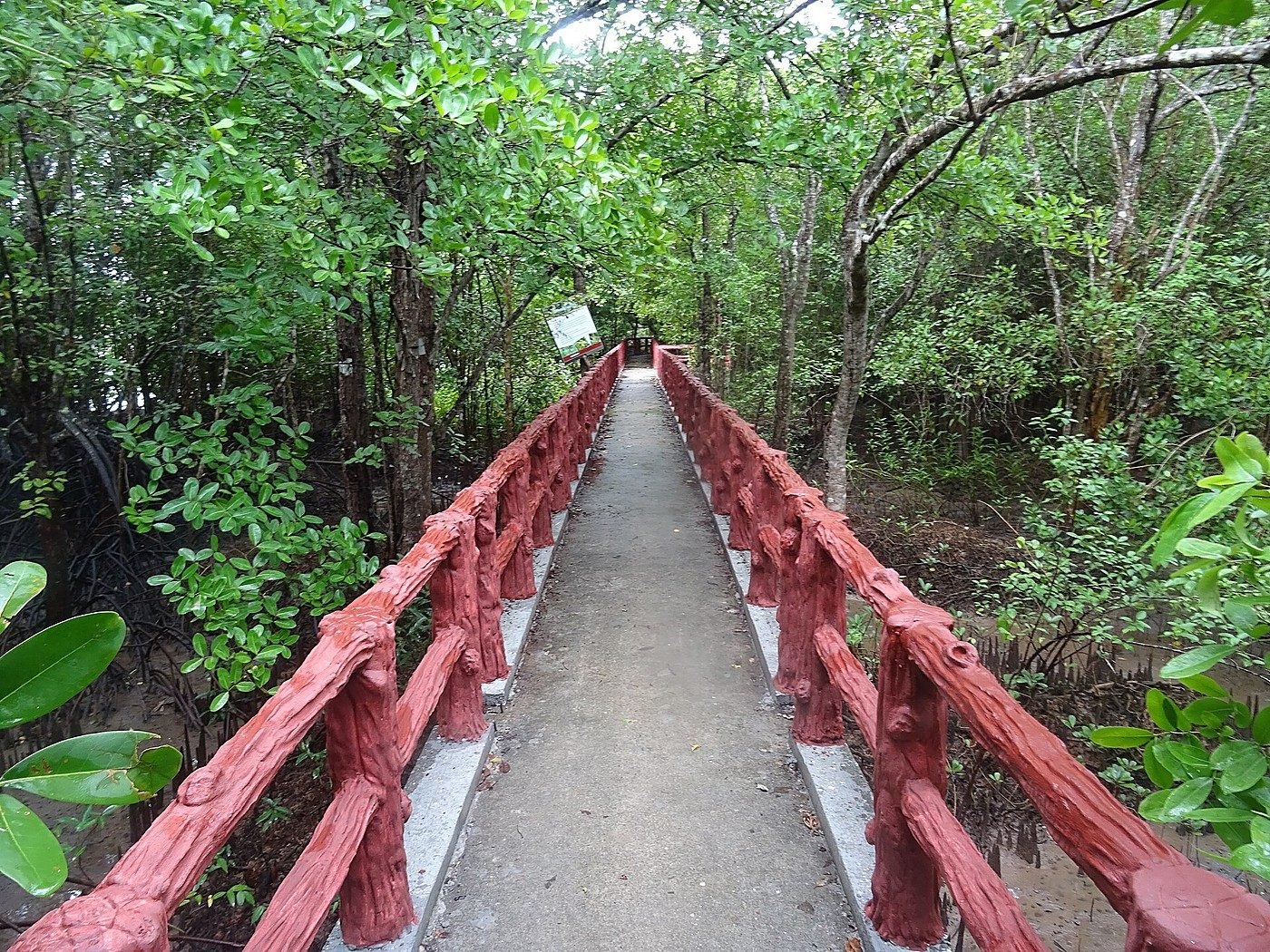
Mangrove boardwalks on the eastern coast are ideal for slow early-morning walks.
Chanthaburi: Orchards, Mangroves and Slow Travel
Chanthaburi is one of Thailand's great fruit provinces, famous for durian, mangosteen and rambutan, with peak season roughly from May to June. Beyond the orchards there are waterfalls in Khao Khitchakut and Namtok Phlio national parks, extensive mangrove forests along the coast, and a riverside old town with a long history as a trading port and gem market. It rewards travellers who like to slow down: an orchard visit in the morning, a forest walk in the afternoon, and a simple dinner by the river.
Trat and Koh Chang: Forest Meets Sea
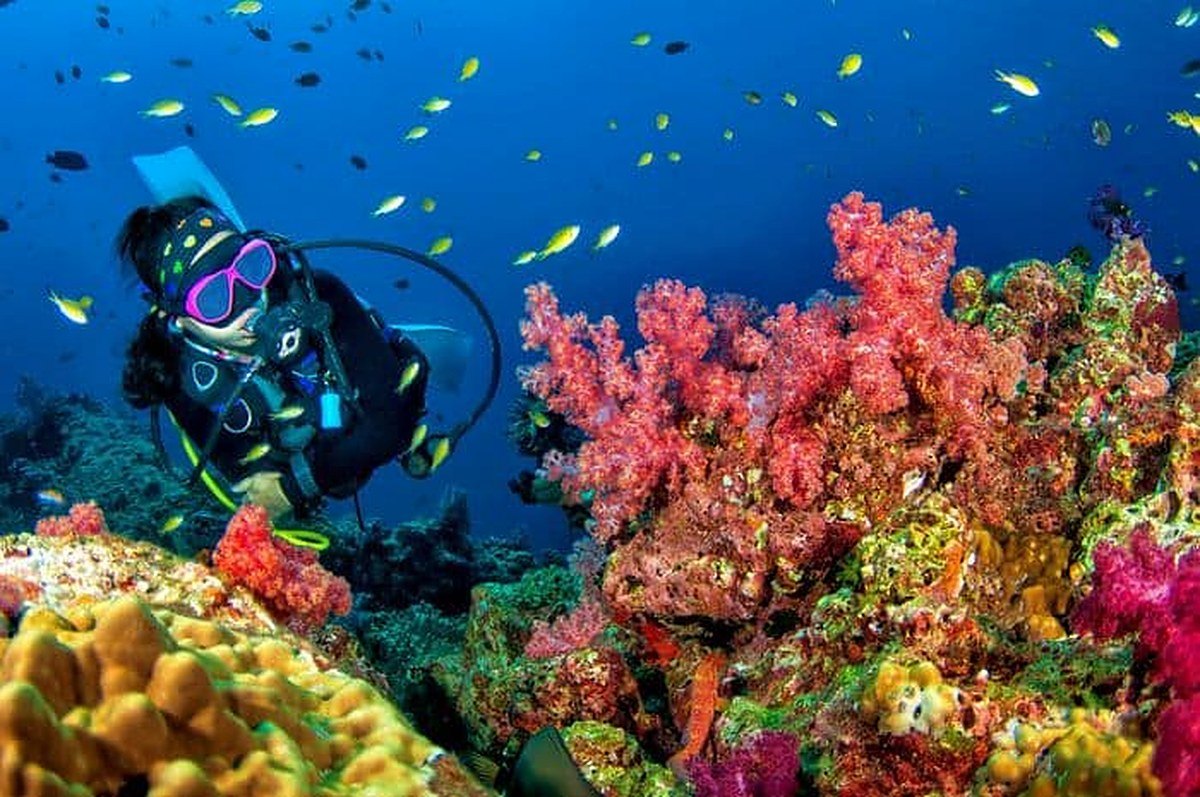
At the far end of the coast, Koh Chang sits within Mu Ko Chang National Park. Much of the island's mountainous interior is still covered in forest, with waterfalls such as Khlong Phlu and Than Mayom. The smaller islands to the south offer clear water and reefs for snorkelling and diving. Koh Chang is the natural place to finish an eastern trip with a few days of active recovery: morning walks to waterfalls, kayaking in the mangroves and swimming in the late afternoon.
How to Plan an Eastern Wellness Route
- Three nights: Prachinburi for herbal treatments and forest, then Rayong for the sea.
- Five nights: Rayong or Chanthaburi for two nights, then three nights on Koh Chang.
- Seven nights: Prachinburi, Chanthaburi and Koh Chang, travelling no more than three hours on any single day.
The principle is simple: keep each leg short so more of the trip is spent resting rather than in a car. That is the east's real advantage over destinations that need a flight and a long transfer.
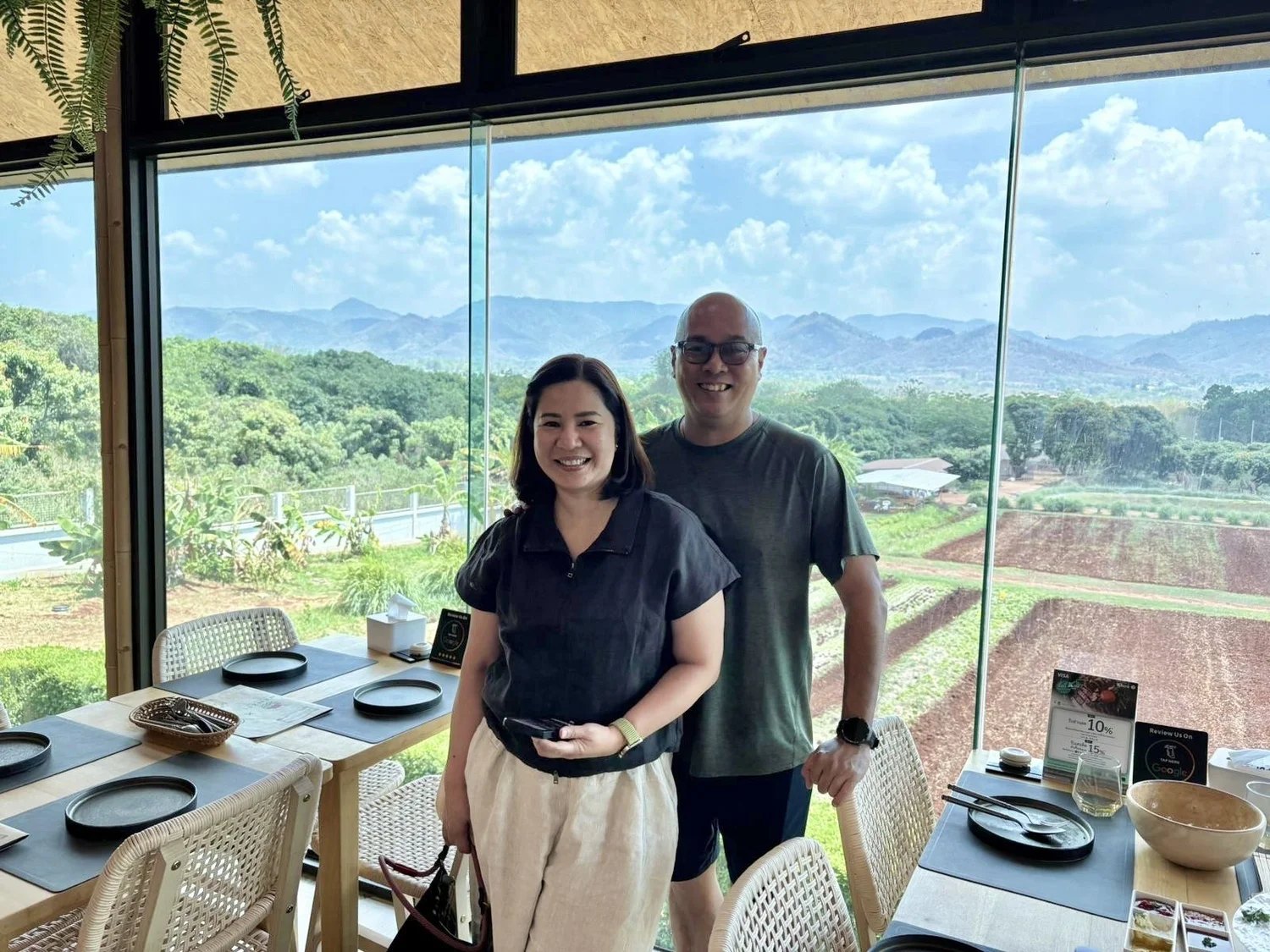
Slow lunches with a view are part of the reason to travel the east unhurried.
Frequently Asked Questions
How far is Koh Chang from Bangkok? Roughly five hours by road to the ferry piers in Trat, followed by a short crossing, or a flight to Trat and then a transfer and ferry. When is the best time to visit eastern Thailand? November to April is drier and the sea calmer, while May to June is peak fruit season in Rayong and Chanthaburi. Is eastern Thailand good for a corporate retreat? Yes. Rayong and Prachinburi are close enough for a two-day programme without flights, which keeps costs and travel time down.