
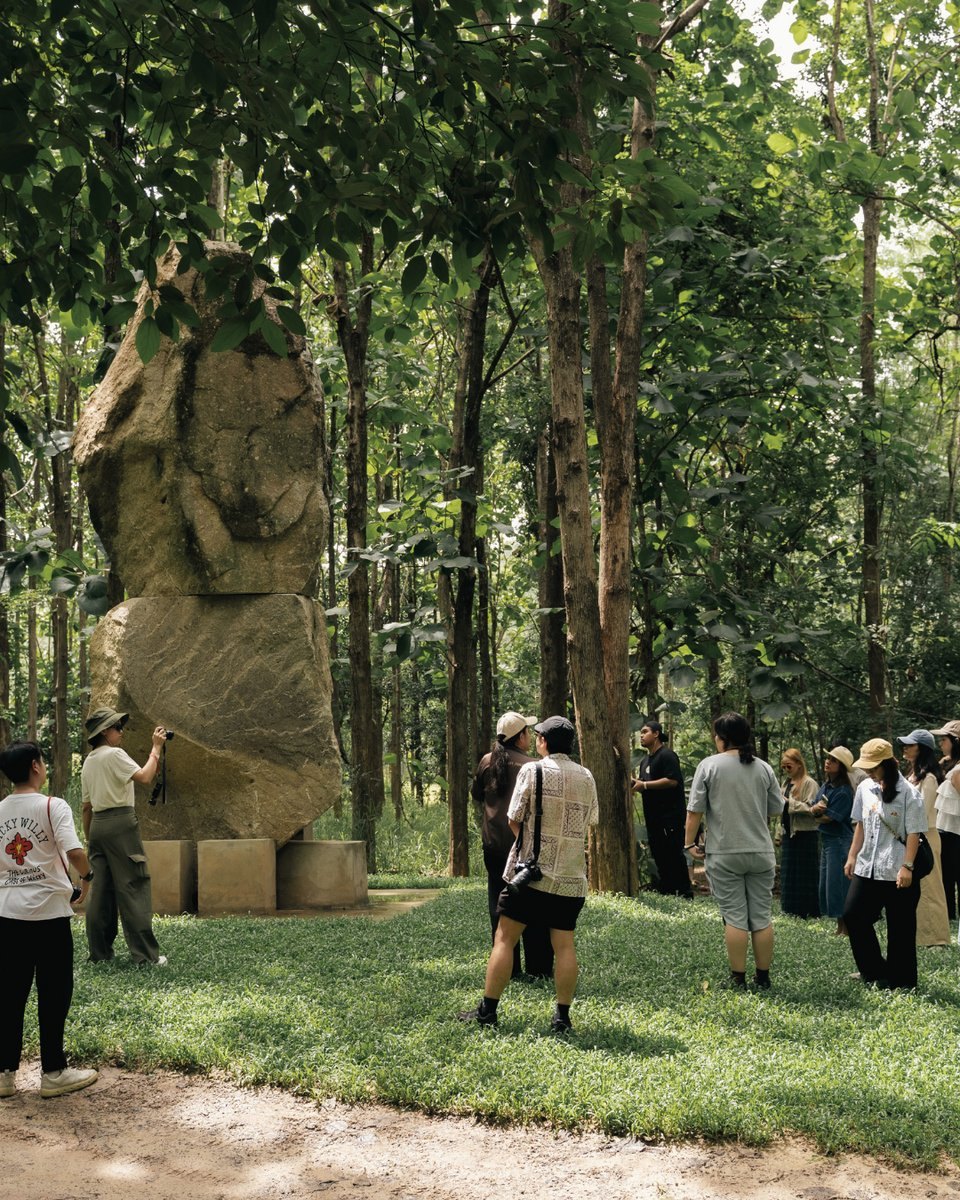
Team building has a reputation problem. Mention it in most offices and people picture trust falls, scavenger hunts and forced enthusiasm. Forest bathing sounds like the opposite: quiet, slow, almost nothing happening. That is exactly why it works for so many teams. It removes the pressure to perform and gives people something they rarely get at work, which is time to notice how they actually feel.
This article explains what forest bathing is, what the research does and does not show, how a team session is structured, and how to choose a location near Bangkok.
Where Forest Bathing Comes From
The term shinrin-yoku was introduced in Japan in the early 1980s by the Ministry of Agriculture, Forestry and Fisheries. Part of the motivation was public health: Japan was urbanising quickly, work stress was rising, and officials wanted to encourage people to spend time in the country's forests. Over the following decades Japanese and Korean researchers began studying what happens to the body during these walks, and forest therapy programmes spread across Asia, Europe and North America.
Despite the name, there is no water involved. "Bathing" refers to immersing the senses in the forest atmosphere: the sound of leaves, the smell of soil and plants, the texture of bark, the changing light. A guided session is slow by design, often covering less than a kilometre in two hours.
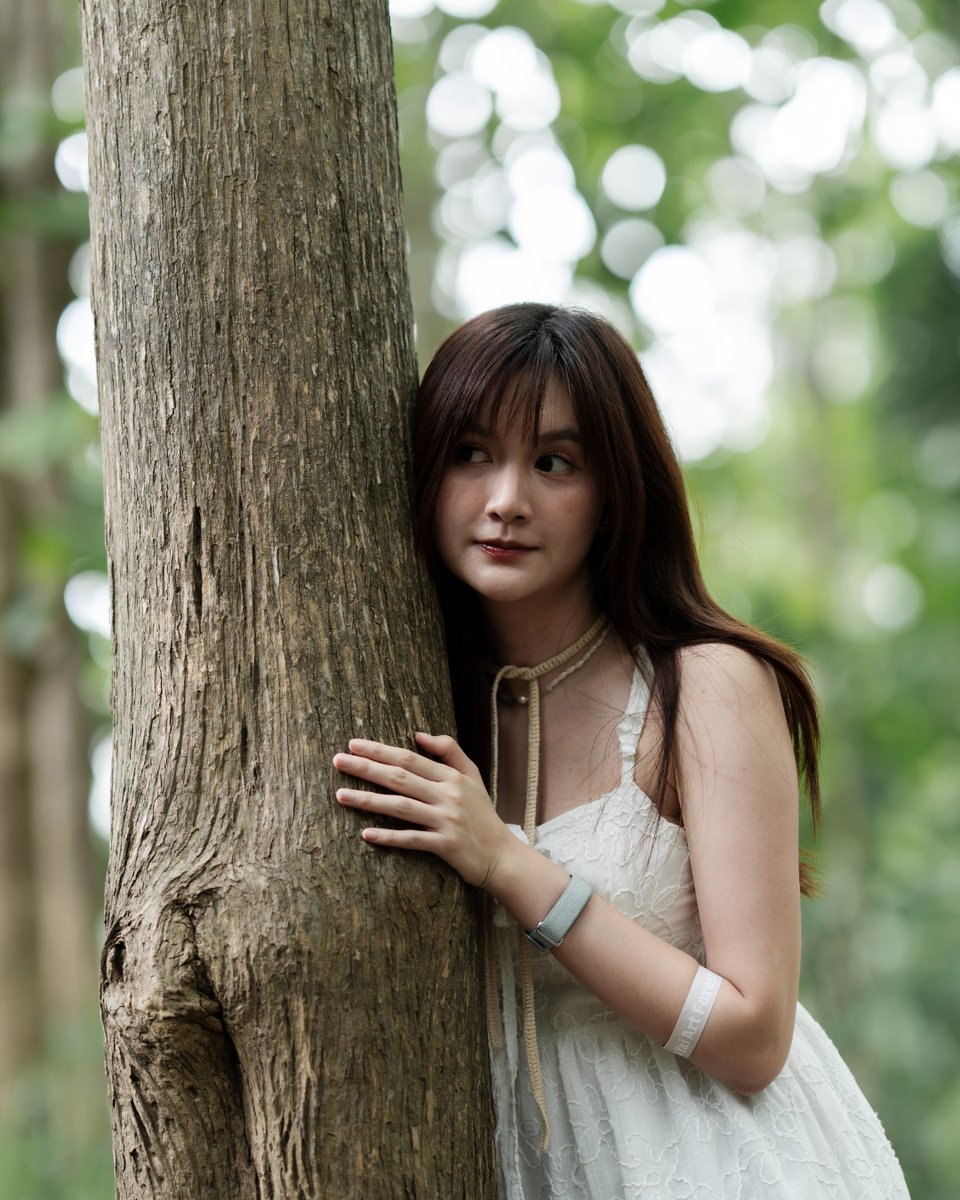
Touch is one of the senses forest bathing deliberately reawakens.
What the Research Says (and Doesn't)
The most consistent findings relate to stress physiology. Several studies have reported lower cortisol, lower heart rate and blood pressure, and higher heart rate variability after time in forests compared with time in cities. A 2026 pilot study published in Frontiers in Public Health reported that average salivary cortisol fell markedly after a forest bathing programme. People also report better mood and less anxiety, which matches what facilitators see on the day.
It is worth being honest about the limits. Many studies are small, some lack proper control groups, and results vary between people. Claims you may see online, for example that forest air "boosts immunity" for weeks, rest on a handful of early studies and should be treated with caution. The fair summary is this: time in nature reliably helps people downshift from stress in the short term, and it is very low risk. For a team that has been running hot, that alone is valuable.
Why It Works Particularly Well for Teams
- It levels hierarchy. Nobody is better at forest bathing than anyone else. The CEO and the new graduate walk at the same pace.
- It welcomes introverts. Much of the session is quiet. Sharing happens in small, optional circles rather than in front of the whole group.
- It creates genuine detachment from work. Phones go away, and the attention shifts to the senses. Recovery research identifies this detachment as one of the most important ingredients of real rest.
- It gives the team a shared, calm memory. Unlike competitive games, there are no winners or losers to carry back to the office.
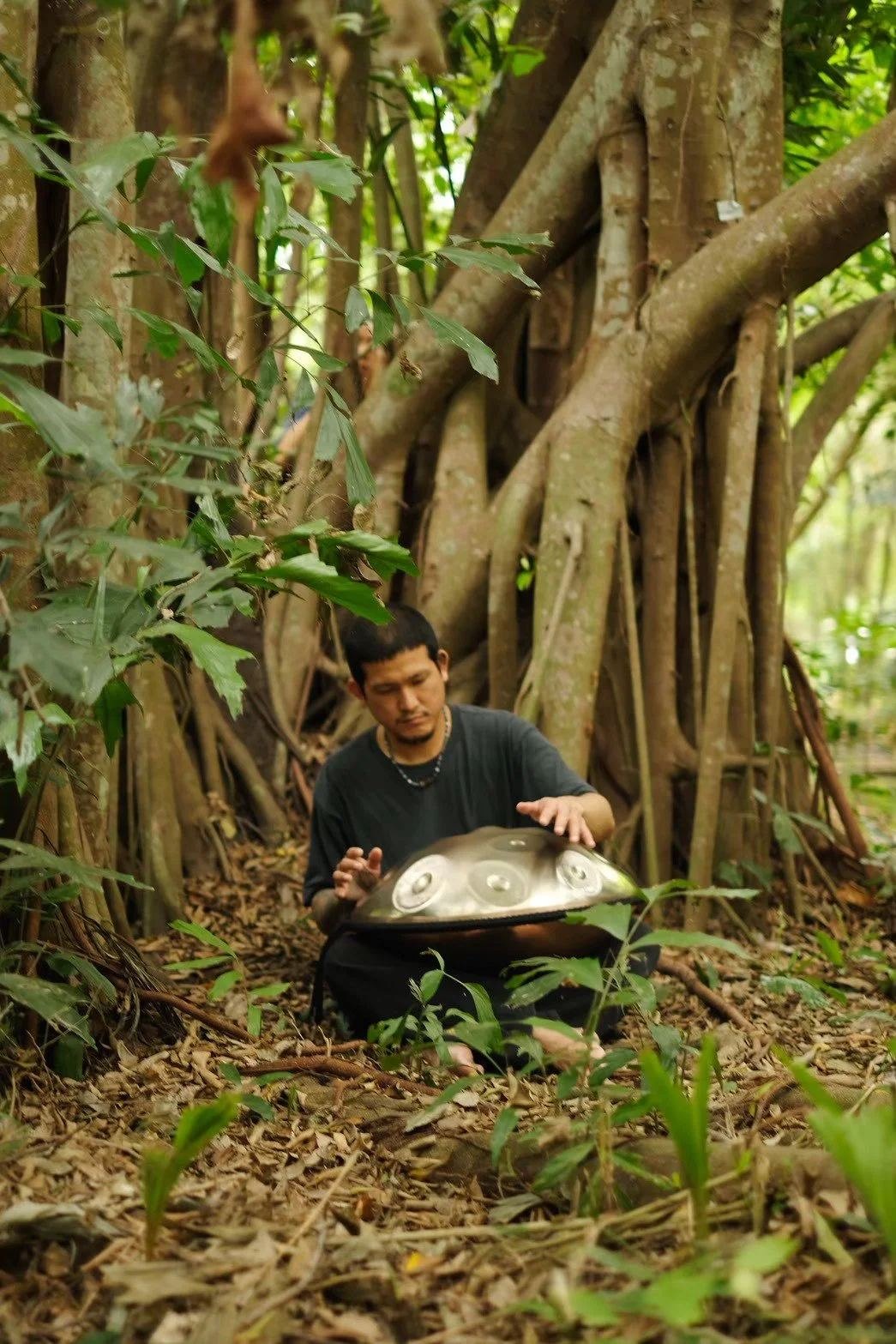
A guide sets the pace and invitations; the forest does the rest.
How a Team Session Is Structured
- Arrival and threshold (15 minutes). A short briefing, phones away, and a simple ritual to mark the move from work mode into the forest.
- Sensory invitations (60 to 75 minutes). The guide offers a series of prompts: notice what is moving, find a texture, listen for the farthest sound. People wander slowly and alone within a safe area.
- Sharing circle (20 minutes). Small groups share one thing they noticed. No pressure, no analysis.
- Tea ceremony and close (20 minutes). Herbal tea, often with local plants, and a quiet transition back. Some programmes add sound healing or a herbal foot soak here.
Choosing a Location Near Bangkok
You do not need a national park. The best sites are quiet, shaded, safe for slow walking, and easy to reach without a long drive that cancels out the benefit. Bang Krachao, the green "lung" of Bangkok across the river from Khlong Toei, is about 30 minutes from central Bangkok and ideal for a 3-hour session. For a full day or overnight, Khao Yai, about 2.5–3 hours by road from Bangkok (around 180 km), offers deeper forest and cooler air. Our guide to the best places for forest bathing near Bangkok compares the options in more detail.
Frequently Asked Questions
What is forest bathing? Forest bathing, or shinrin-yoku, is the practice of spending slow, mindful time among trees using all the senses. It is not hiking; the pace is deliberately gentle. What are the benefits of forest bathing for teams? Studies link time in forests with lower cortisol, heart rate and blood pressure, and better mood. For teams, the slower pace also encourages more open conversation than an office workshop. Where can you do forest bathing near Bangkok? Khao Yai, about 2.5–3 hours by road from Bangkok (around 180 km), is the most practical option for a full day or overnight session in real forest.
Healiday runs 3-hour forest bathing sessions for teams in a private space at Bang Krachao, about 30 minutes from Bangkok, including sound healing, a herbal foot spa and a short local workshop.
Sources
This article is for general information and is not medical advice. Healiday retreats are wellness programs and do not diagnose, treat or cure any medical condition. Health screenings and therapies are provided by licensed partner facilities, subject to medical suitability, and individual experiences vary.