
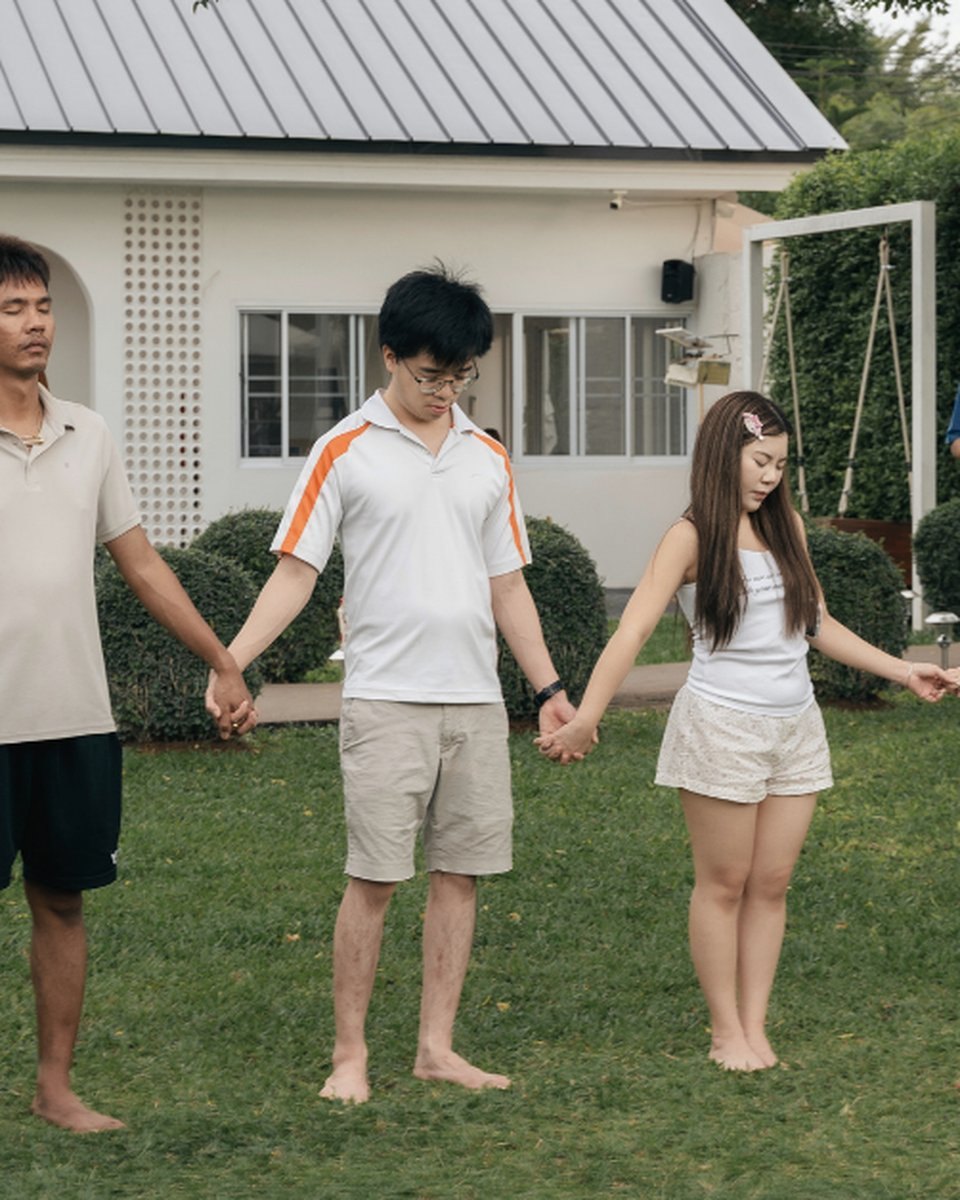
Most HR teams have run at least one wellness activity that nobody really wanted to attend. A lunchtime talk that half the team skipped, a step challenge that the same five people won, a yoga class that felt awkward in a meeting room. The problem is rarely the idea of wellness. It is that many activities are chosen because they are easy to book, not because they fit how people actually feel at work.
This guide groups 25 activities by what they actually do for people: calm the nervous system, restore energy, build connection, spark creativity, or support long-term health. For each one, we note why it works, so you can match activities to what your team needs rather than what is trending.
Before You Choose: Three Questions
- What is the team's state right now? An exhausted team needs rest and calm, not a competitive challenge. A disconnected team needs shared experiences more than individual tools.
- Is it truly optional? Wellness that feels compulsory adds stress. Offer choice, and make it easy to join without performing.
- Does it work for different bodies and personalities? Not everyone wants to sweat, share feelings or sit in silence. Mix formats so introverts, older staff and people with injuries all have a way in.
To Calm the Nervous System
- Guided breathwork. Slow breathing with a long exhale activates the body's rest response. A Stanford study found five minutes a day of "cyclic sighing" improved mood more than mindfulness meditation over a month.
- Sound healing. Lying down while singing bowls or gongs are played gives people permission to stop. Many find it easier than silent meditation because there is something to focus on.
- Forest bathing (shinrin-yoku). Slow, mindful walking in nature. Studies, including a 2026 pilot in Frontiers in Public Health, report reductions in cortisol after sessions in green spaces.
- Guided body scan or yoga nidra. A lying-down practice that helps people notice tension and release it. Particularly useful for teams who struggle with sleep.
- Herbal foot spa. A simple Thai tradition: warm water with herbs like lemongrass and kaffir lime. Low effort, high comfort, and a natural way to start conversation.
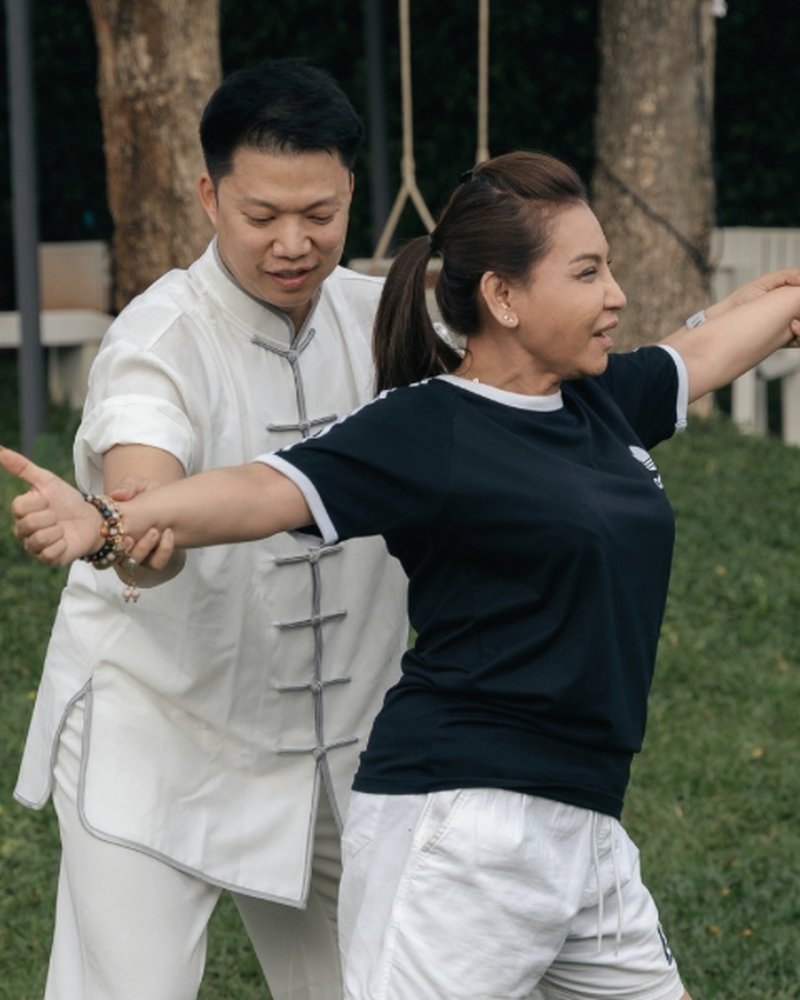
Gentle movement such as tai chi works for every fitness level and calms a busy mind.
To Restore Energy
- Tai chi or Ba Duan Jin. Slow, flowing movement from Chinese tradition. Easy on joints, good for balance, and a quiet favourite among senior staff.
- Sleep workshop. Practical guidance on light, caffeine, wind-down routines and travel. Sleep affects almost every other wellbeing outcome, so this has unusually broad impact.
- Contrast therapy (sauna and cold plunge). Alternating heat and cold, under guidance. Research on cold water immersion suggests short-term stress reduction, and many people describe a strong lift in energy afterwards.
- Walking meetings. Taking one-to-ones outside. Side-by-side conversation often feels less confrontational and more creative than across a desk.
- Nutrition talk with a tasting. A short session on energy and blood sugar, followed by food people can actually eat. Practical beats theoretical every time.
To Build Connection
- Long table dinner. One table, shared dishes, phones away. It sounds simple, but eating together is one of the oldest ways humans build trust.
- Reflection circles. Small groups answering one meaningful question, such as "what gave you energy this year?". Structure makes it safe; nobody has to overshare.
- Volunteer half-day. Helping a local community project together shifts focus outward, which research links to greater wellbeing and team pride.
- Cooking class. Thai cooking works especially well for mixed or international teams. Everyone has a job, and the reward is lunch.
- Gratitude or appreciation exercise. Each person writes a specific note of thanks to a colleague. Takes ten minutes, and people often keep the notes for years.
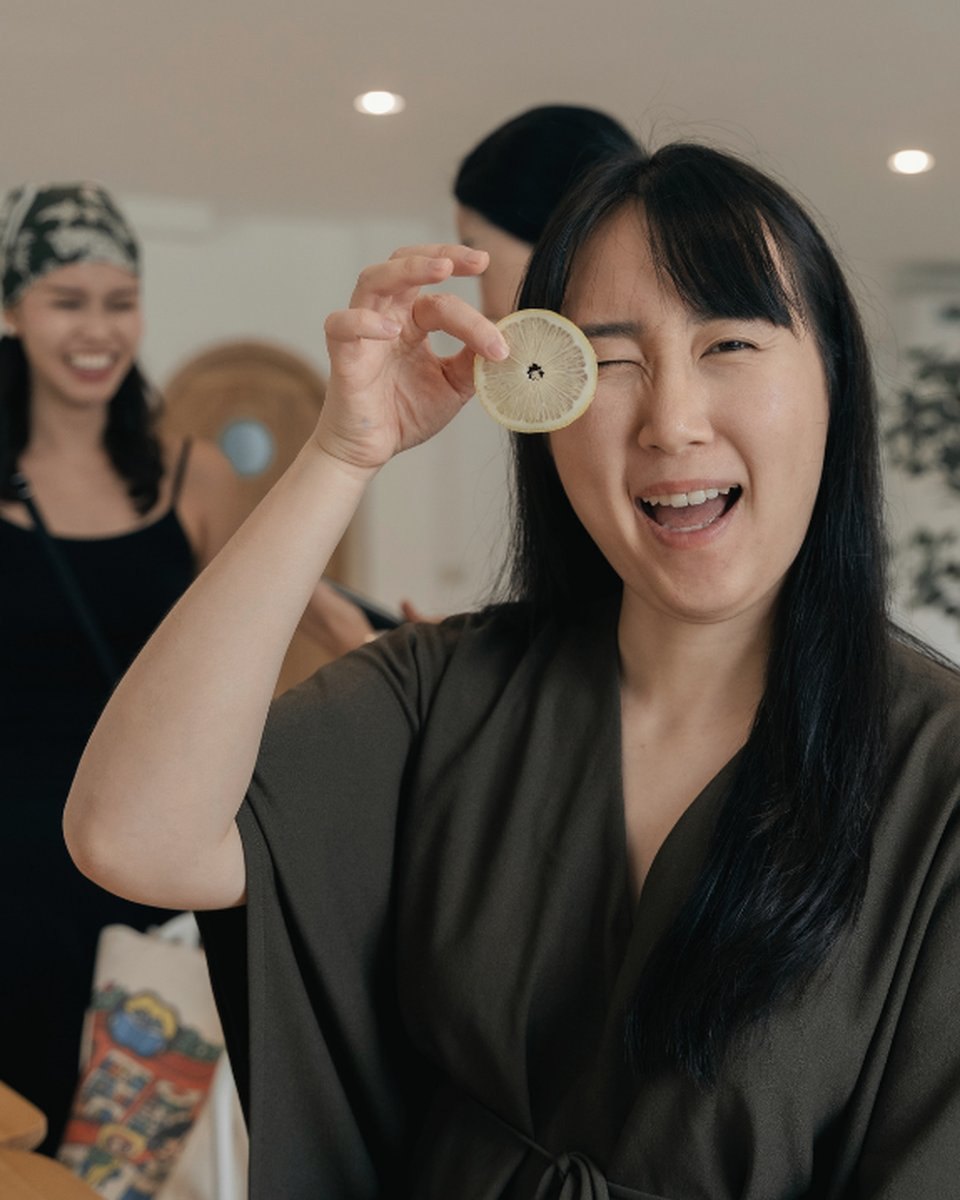
Connection grows in playful moments that have nothing to do with targets.
To Spark Creativity and Play
- Art therapy session. Painting or drawing without judgment. The point is not the result but the absorption, which recovery research calls a "mastery experience".
- Scent workshop. Creating a personal blend of essential oils. Smell is closely linked to memory and mood, and the take-home bottle becomes a small daily reminder to pause.
- Mandala or nature art. Arranging flowers, leaves and stones into patterns. Meditative for people who find sitting still difficult.
- Playful movement or dance. Latin dance, playful games or "inner child" sessions. Laughter is one of the fastest ways to break hierarchy.
- Journaling with prompts. Short, specific prompts such as "one thing I want to stop doing next year". Private, and often surprisingly clarifying.
To Support Long-Term Health
- Stress and burnout assessment. Validated questionnaires, done anonymously, give individuals insight and give HR team-level data.
- Heart rate variability (HRV) check. A wearable measure of how well the body is recovering. Seeing your own data is often more persuasive than any talk.
- Ergonomics and posture clinic. A physiotherapist adjusting real desks. Unglamorous, but back and neck pain are among the most common reasons for lost work time.
- Traditional medicine consultation. Thai or Chinese medicine practitioners offering short consultations and herbal knowledge. Popular, culturally familiar, and a good doorway to wider health conversations.
- Recovery day away from the office. Combining several of the above in nature, for a full day or overnight. This is where the biggest shifts usually happen, because people finally detach.
Making It Stick
One activity, however good, rarely changes much on its own. The teams that benefit most follow a simple rhythm: a short in-office session each month to keep habits alive, and one deeper recovery experience once or twice a year. Measure stress or wellbeing before and after the bigger events so you can see what is working. If you want help designing that rhythm, Healiday runs both in-office sessions and team retreats, and our Thai-language guide to wellness team building includes step-by-step running notes.
Frequently Asked Questions
What are good wellness activities for employees? Short, low-pressure activities work best: walking meetings, breathing breaks, stretching, healthy shared lunches, and occasional bigger days such as forest walks or recovery workshops. How do you get employees to join wellness activities? Make them optional, schedule them in work time, keep them short, and have managers take part visibly. Ask employees what they want before planning. How often should a company run wellness activities? Small habits work best weekly, with one larger team wellness day or retreat once or twice a year.