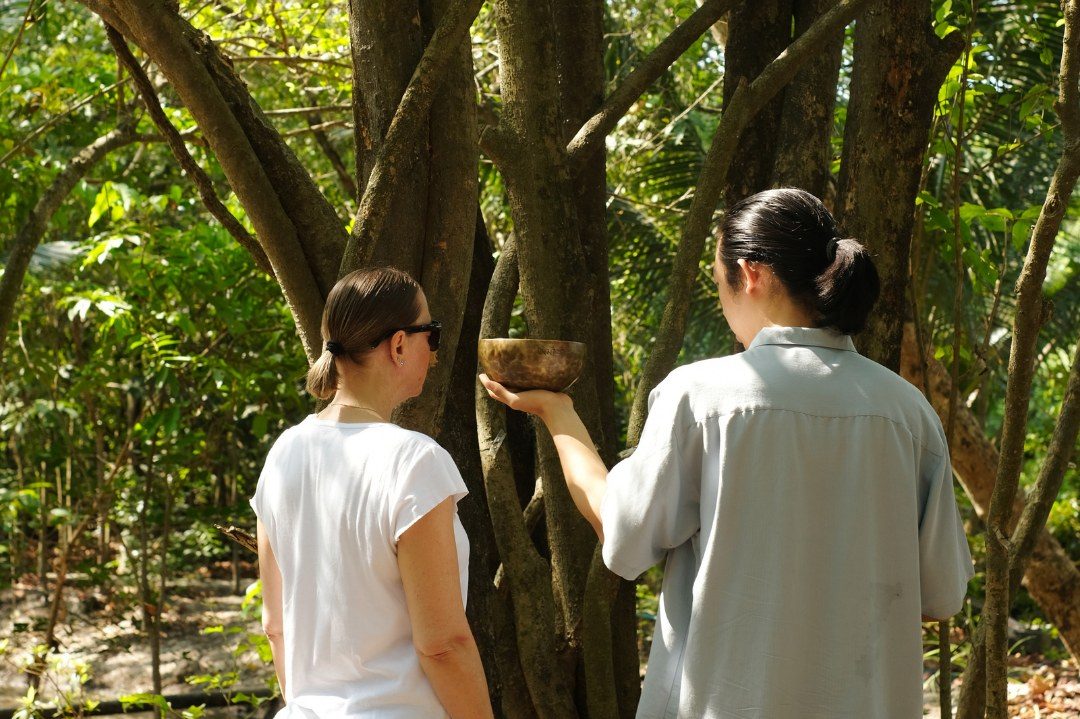
Most people who feel burnt out do not need a holiday. They need to stop. Forest bathing, known in Japanese as Shinrin-yoku, is the practice of spending intentional time in a forest. It began in Japan in the 1980s as a public-health initiative and is now backed by enough research that its effects are closer to pharmacology than a simple walk.
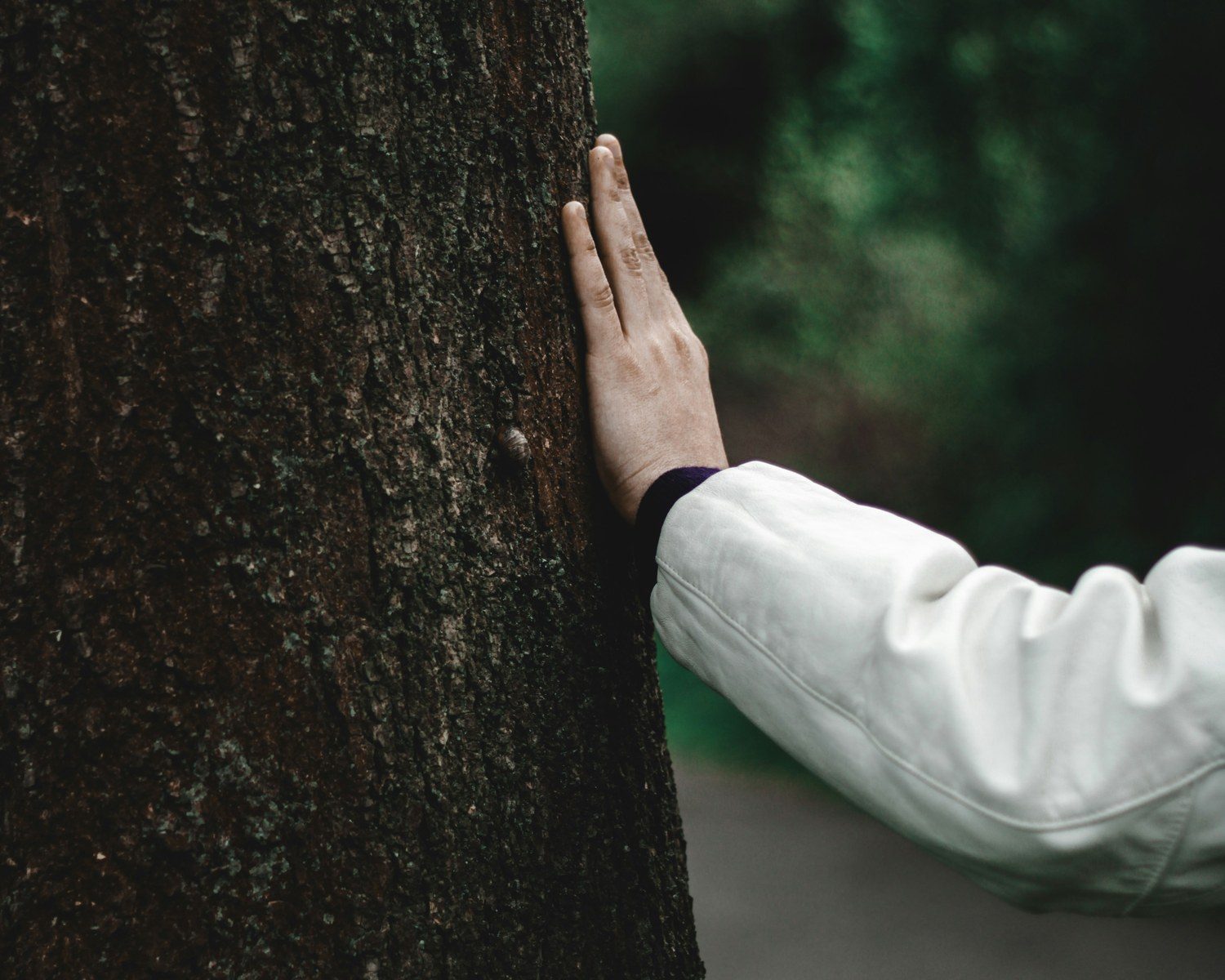
The goal is not exercise or sightseeing. It is awareness. You walk slowly. You stop. You notice the light through the leaves, the texture of bark under your hands, the smell of the air after rain. There is no destination to reach and no distance to cover. You might sit quietly, hug a tree, or simply stand still and let the sounds of the forest replace everything you brought from the city.
The forest is doing something to your body whether you intend it to or not, and the places around Bangkok that offer it are better than most people realise. This is a wellness journey Thailand residents are increasingly seeking, and for good reason. The forests are close. The science is clear. And the results are not subtle.
Why it works
The most cited research comes from Yoshifumi Miyazaki at Chiba University, who spent years sending subjects into forests and measuring what changed. Three outcomes appear consistently across studies, regardless of location, season, or whether subjects expected to feel anything at all.
- Cortisol drops within fifteen minutes among trees, regardless of whether subjects felt relaxed.
- Blood pressure follows, as the part of your nervous system that fight-or-flight suppresses starts working again.
- Immune function improves after two to three hours of forest exposure, and the effect persists for days after the visit ends.
What matters is that these results appear whether you feel relaxed or not. Your body responds to the environment independent of how you think the walk is going. That is what separates Shinrin-yoku from a mindfulness practice: you do not have to do anything right. You just have to be there long enough.
The active compound is phytoncides, organic molecules released by trees that you absorb through the lungs. Controlled studies suggest the full sensory environment contributes separately, walking in a forest produces different physiological outcomes than walking the same distance in a city, even at identical pace and intensity. The trees are not incidental to the experience. They are the mechanism.
This is why forest bathing has become a core component of holistic wellness programs in Thailand, and why demand from people looking for a burnout-recovery retreat or a genuine stress-relief retreat has grown so substantially in recent years.
The best places near Bangkok
Bang Krachao (Bangkok’s Green Lung), Samut Prakan
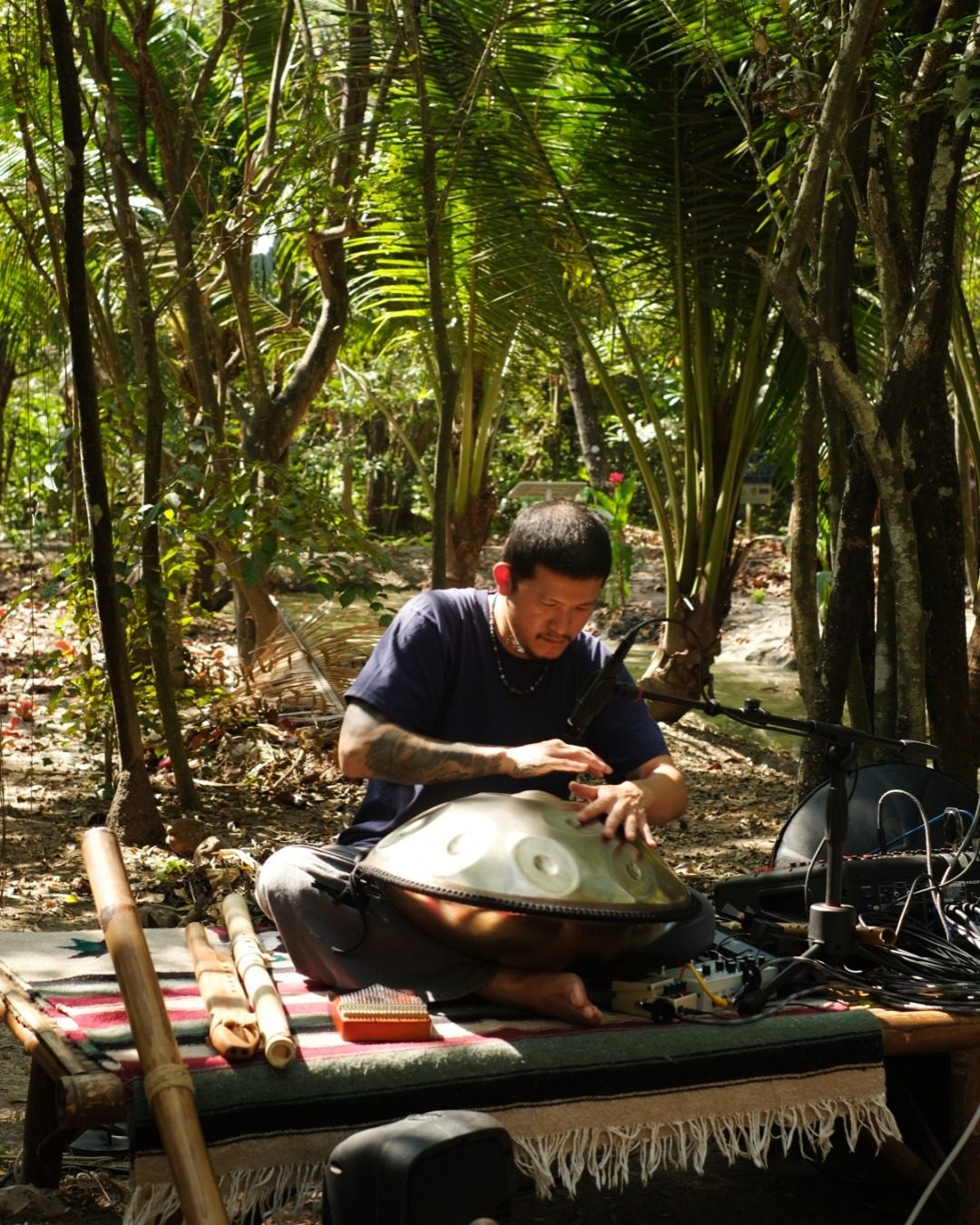
The closest option is Bang Krachao, fifteen minutes from central Bangkok by ferry across the Chao Phraya from Phra Pradaeng. Thirty square kilometres of preserved orchard and wetland the city grew around rather than over, it is a rare pocket of dense greenery that sits inside the metropolitan area yet feels genuinely removed from it. Trails are flat and best covered by bicycle. Go early, before the heat arrives.
As an urban wellness option, nothing compares for ease of access. Healiday runs its Forest Bathing Corporate Wellness here, in a private section of the green zone separate from public trails.
Khao Ito, Prachin Buri
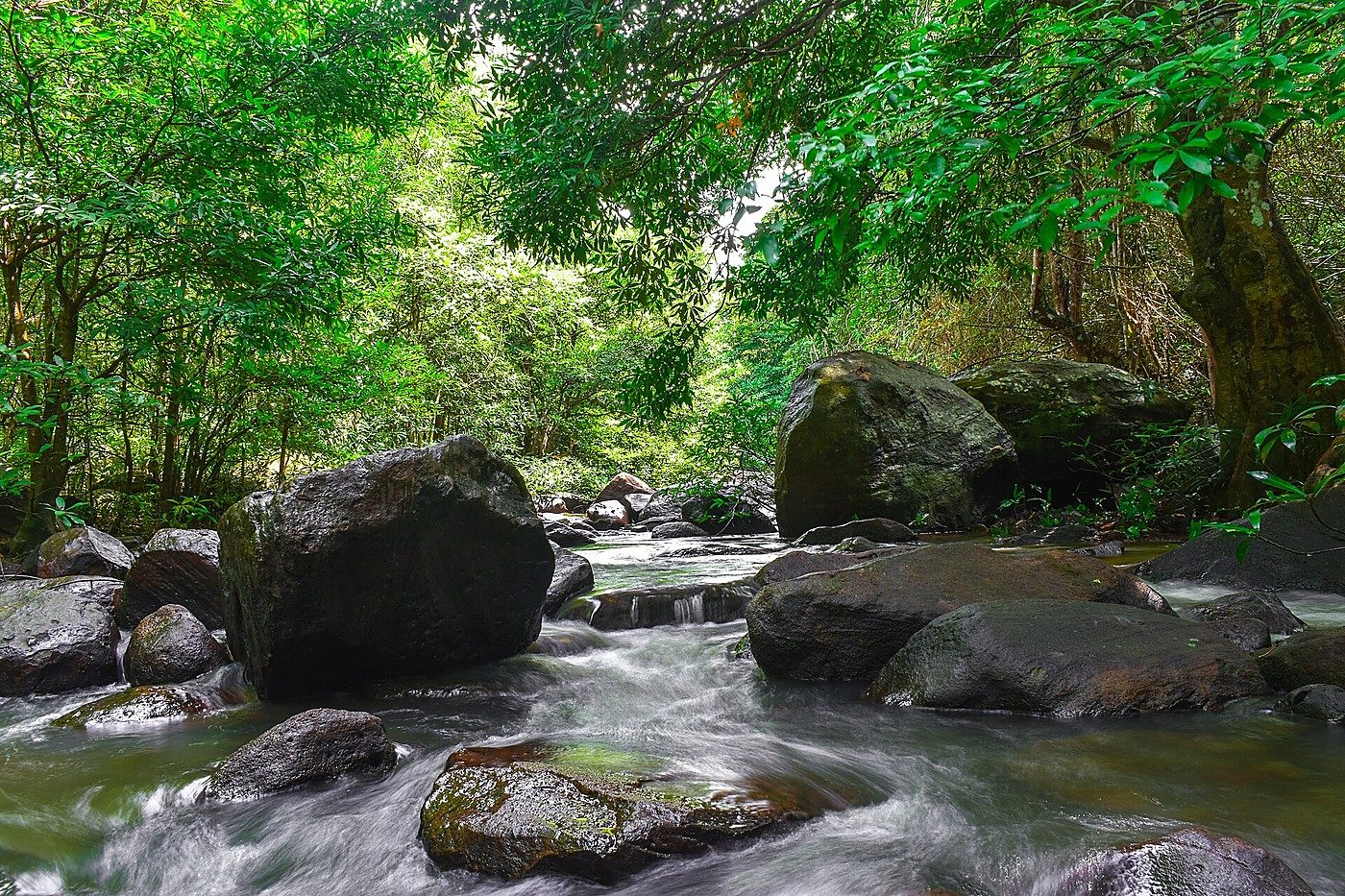
Two hours east, Khao Ito offers a forested hill with summit trails and a cave system midway up. It is less visited than most parks at this distance from Bangkok, which means quieter trails and fewer interruptions. The surrounding area stays rural into the evening. For full restoration rather than a day trip, this is the place to stay overnight.
Sapan Pa Chai Len mangrove, Rayong
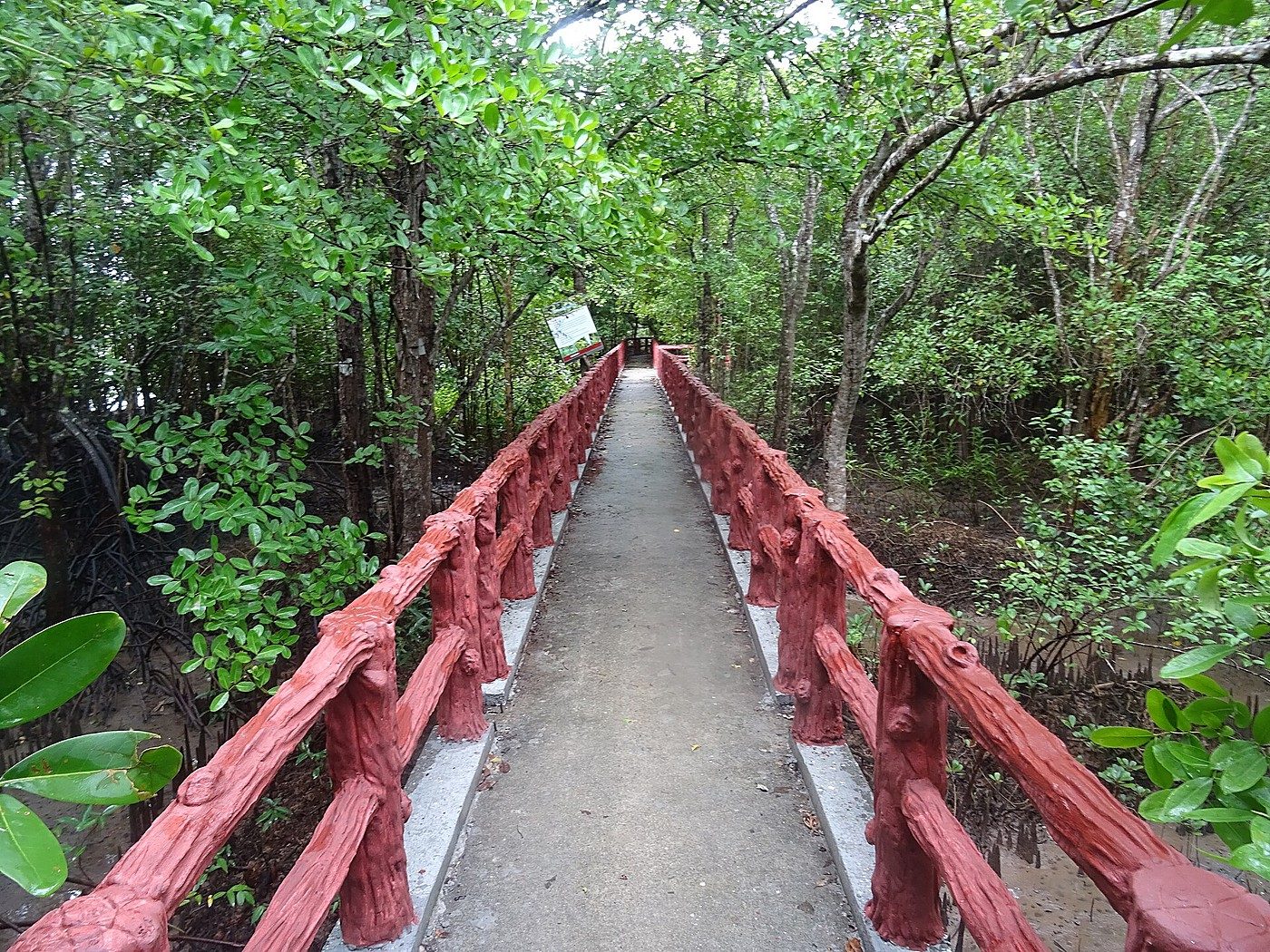
Also two hours east, the mangrove forests around Rayong offer a different sensory experience from upland jungle. Mangrove walking moves you along the waterline through root systems and tidal channels, surrounded by water on both sides. The particular quiet of being at water level reaches something the upland forest does not quite get to. For people carrying mental load more than physical fatigue, that difference matters.
Chet Saw Noi & Chet Khot, Saraburi
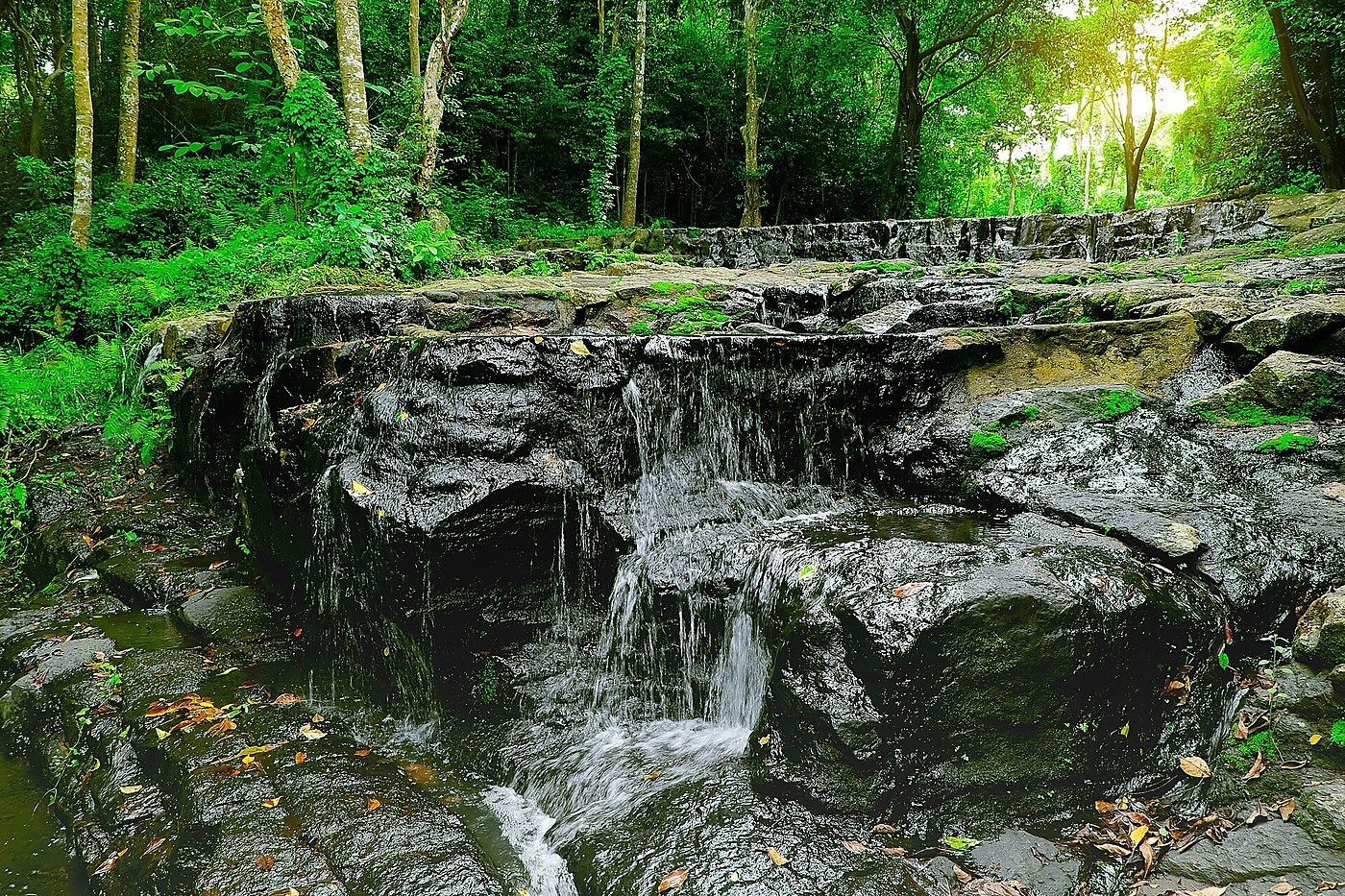
About two hours north of Bangkok, Saraburi has developed formal forest-bathing programs through its Tourism Association, with Jed Saw Noi Waterfall National Park in Muak Lek as the flagship venue. The forest combines moving water with dense canopy. A second site, Jed Khot Pong Kon Sao National Park in Kaeng Khoi, extends the same ecosystem further. Both are less visited than Khao Yai and easy to reach.
Sai Yok, Kanchanaburi
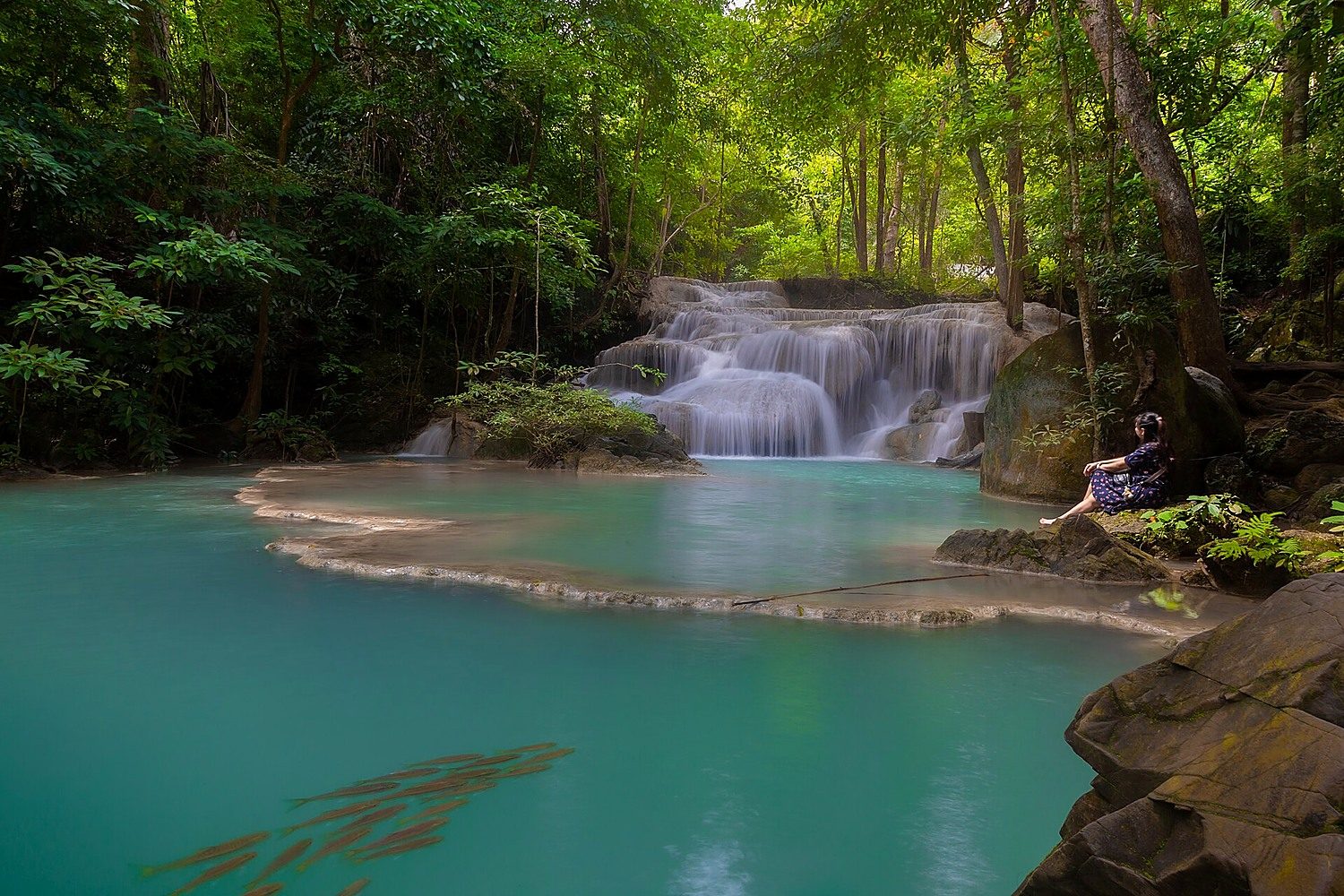
About two and a half hours west, Kanchanaburi is one of the most forested provinces in Thailand and has begun developing formal forest-bathing programs. The Mae Klong River and the Kwai Noi corridor in Sai Yok District put you inside dense riverside forest, with the sound of moving water as a constant backdrop.
Khao Yai, Nakhon Ratchasima
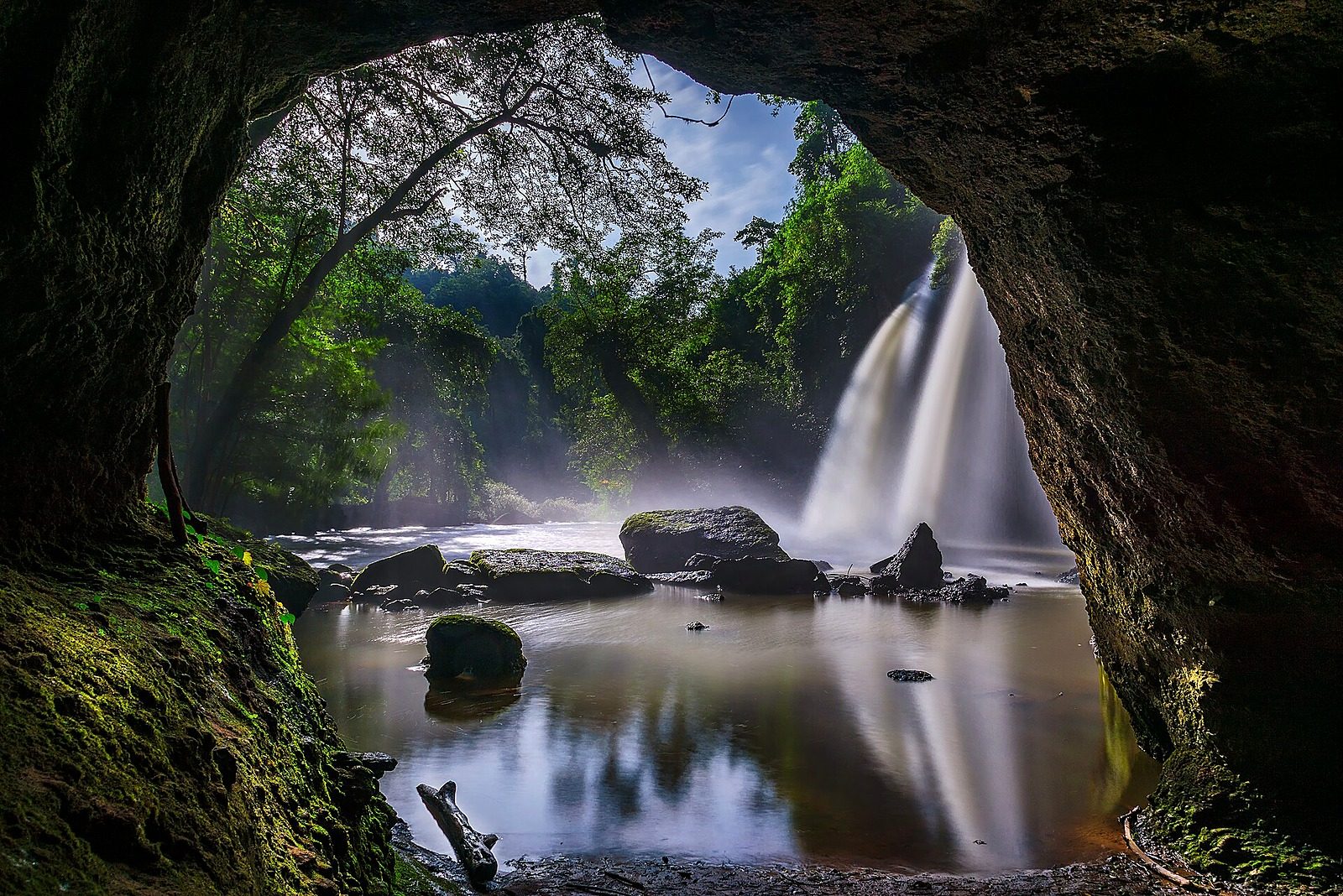
Three hours north, Khao Yai is Thailand’s first national park and one of the most biodiverse forests in Southeast Asia. The scale changes what is possible, walking here for two hours feels different from anything closer to Bangkok, not just in quality but in how completely the urban world disappears.
Kaeng Krachan, Phetchaburi
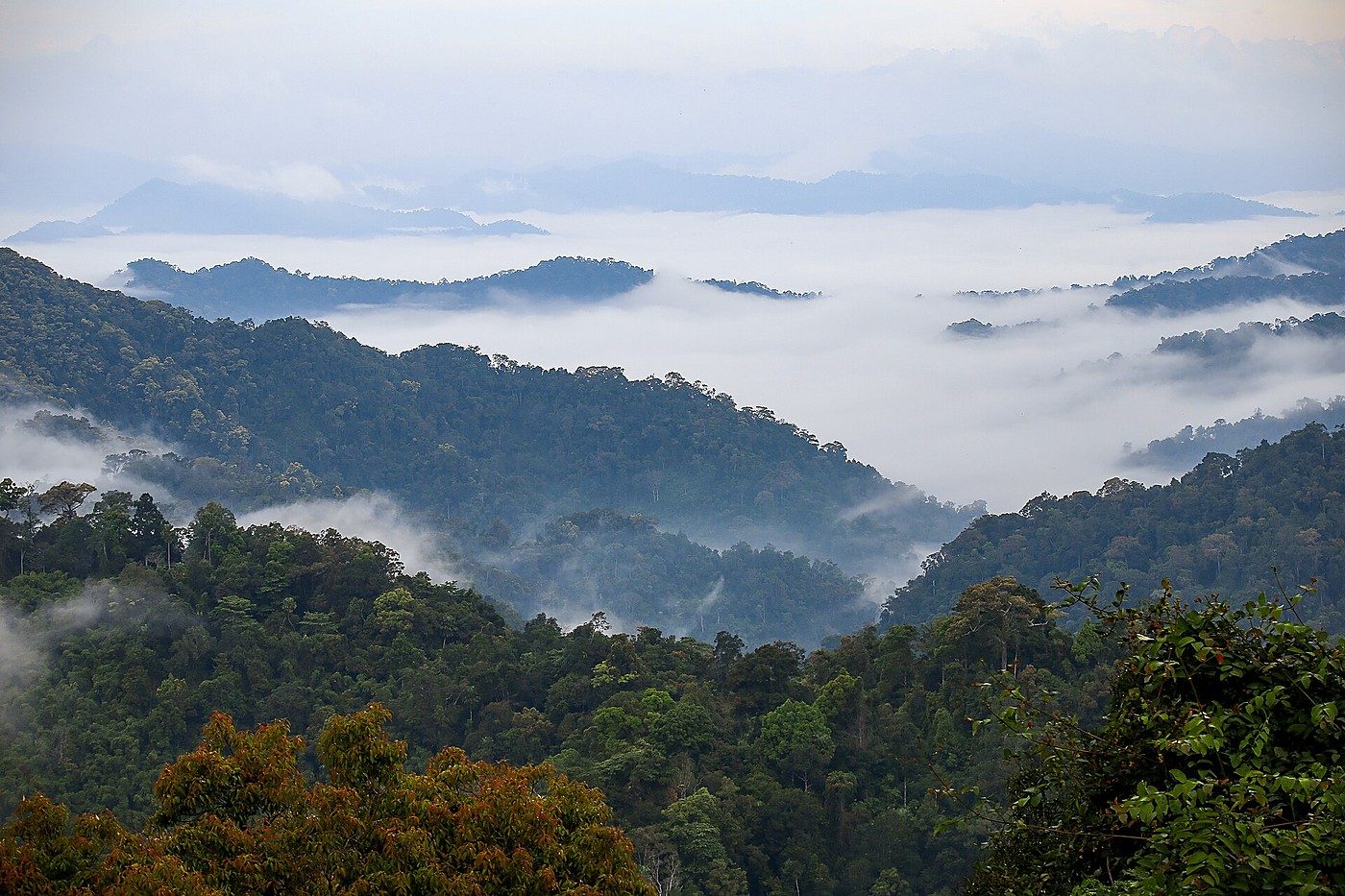
For those who want to go further, Kaeng Krachan runs into the Tenasserim Hills along the Myanmar border. Quieter than Khao Yai, less trafficked, with trails that take you deeper into genuine forest, the best option near Bangkok for immersion without an itinerary.
What Healiday participants say
Healiday has run forest-bathing events at Bang Krachao with close to 70 participants across both private-group and corporate formats, with guests from Thailand and internationally. The events take place in a private green zone within Bang Krachao, in collaboration with people from the local community who provide herbal snacks, foot spa, and the traditional welcome that are part of each session.
“Forest Bathing felt like a mini escape from Bangkok without having to travel far. The whole experience was calming and relieving. I didn’t realize how much I needed nature until this. I’d definitely join again.”
, Healiday customer, Forest Bathing Event at Bang Krachao
The feedback from corporate groups has followed the same pattern. People come in with a high mental load and leave having moved through something they could not have named before they arrived.
How to practice
Forest bathing is not a pace or a distance. It is a quality of attention. Walk slowly and stop more often than feels natural. Use your nose as much as your eyes. Sit near water if there is any, moving water adds an auditory layer most people underestimate. Research suggests benefits compound between two and four hours, so plan for more time than you think you need. Most people who try this for the first time budget ninety minutes and leave wishing they had stayed longer.
Leave your phone in your bag for the first hour, not off, not on silent, just inaccessible enough that checking it requires a deliberate action. The habit of reaching for it is strong enough that passive availability is the same as active distraction. The practice works better when the city does not follow you in.
If you want it structured
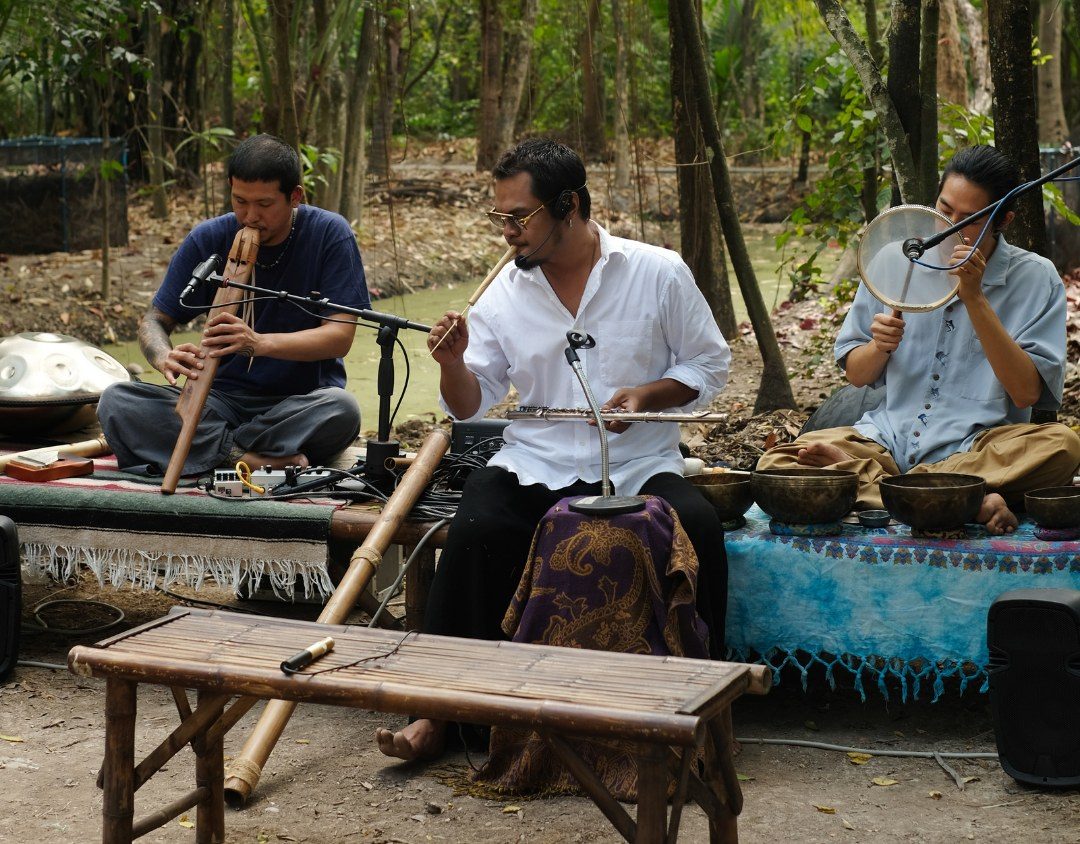
If you have never done Shinrin-yoku before and want a starting point that removes the guesswork, Healiday runs a Forest Bathing Private Corporate Wellness at Bang Krachao with music therapy and Thai traditional spa. One morning, no planning required. Most people who do it once go back on their own, usually sooner than they planned.
For those whose fatigue runs into focus and concentration, the Focus Reset at Rayong includes an Attention Restoration Walk through the mangrove, built around the cognitive layer of recovery that a standard forest walk touches but does not complete.
For sleep disruption and deeper nervous-system exhaustion, the Sleep Reset at Khao Ito combines forest exposure with an overnight stay, onsen, and spa, the full sequence of what the body needs when rest alone has stopped working.
The city is one ferry ride from a forest that can do what a long weekend of doing nothing cannot. The question is whether you plan for it.