
Planning a corporate retreat looks simple from the outside: pick a nice venue, book some activities, arrange buses. Anyone who has done it knows the reality is closer to project management. There are budgets to defend, calendars to align, dietary needs to track, and a leadership team that wants to know what the company will actually get for its money.
A wellness retreat adds another layer. Unlike a sales kick-off or an annual party, its success depends on whether people genuinely rest and reconnect, and that is shaped by dozens of small design choices. This guide walks through the full process over twelve weeks, with the questions to ask at each stage and the mistakes we see most often.
12 Weeks Out: Define Why You Are Going
The single most important decision is the purpose, and it should fit in one sentence. "Help a tired sales team recover after a record year" leads to a very different programme from "rebuild trust between two merged departments" or "give our leadership team space to think before planning season". Write the sentence, agree it with the sponsor, and use it to settle every later disagreement.
- Confirm who is going. Group size changes everything, from venue options to how intimate the conversations can be. Wellness programmes tend to work best with groups of roughly 10 to 40.
- Set a budget range per person. Include transport, accommodation, meals, facilitation and any assessments. A per-person figure is easier to compare across options than a total.
- Hold dates early. Avoid month-end, quarter-end and public holidays. Mid-week often gives better venue rates and signals that this is part of work, not a sacrifice of personal time.
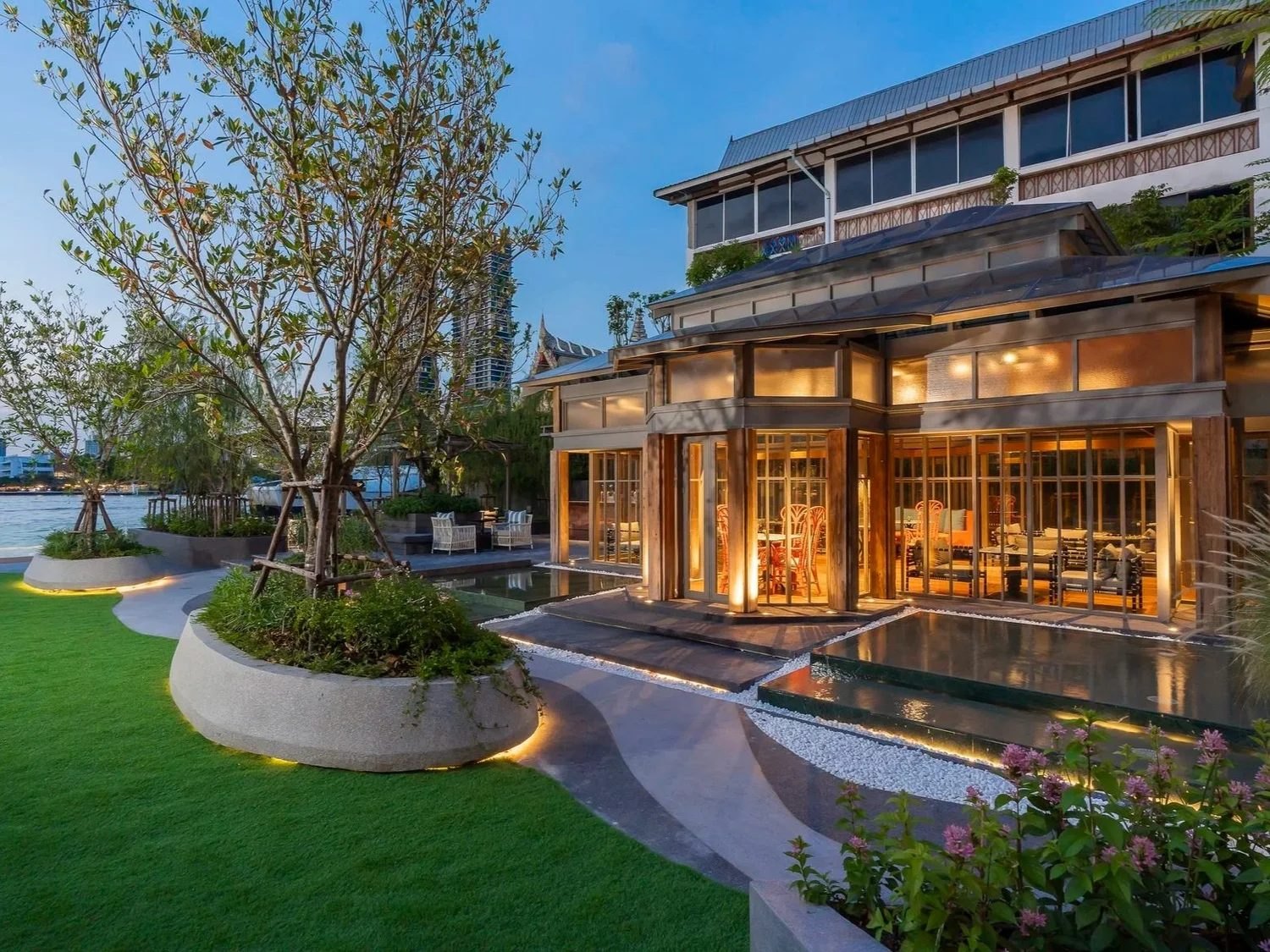
Look for a venue with private outdoor space as well as meeting rooms.
10 Weeks Out: Choose the Location
For teams based in Bangkok, the practical rule is to keep travel under about three hours each way for a two-day retreat. Beyond that, the journey eats the recovery. Khao Yai, about 2.5–3 hours by road from Bangkok (around 180 km), offers forest, cool air and a wide range of venues. Rayong and the Eastern Seaboard suit teams who want the sea. Hua Hin works well when you want established resorts. For regional teams flying in, Chiang Mai, Phuket and Koh Samui add more choice, at the cost of flights.
When visiting or reviewing venues, look beyond the rooms. Ask whether there is a quiet outdoor space for movement and reflection, whether the meeting room has natural light, how private the property is, how flexible the kitchen can be, and what happens if it rains.
8 Weeks Out: Design the Programme
The most common design mistake is overscheduling. Organisers want to show value, so every hour is filled. But recovery needs space. A good rule is no more than five or six hours of structured activity per day, with real free time in between. Build a rhythm that moves from arrival and decompression, to deeper experiences, to reflection and closure.
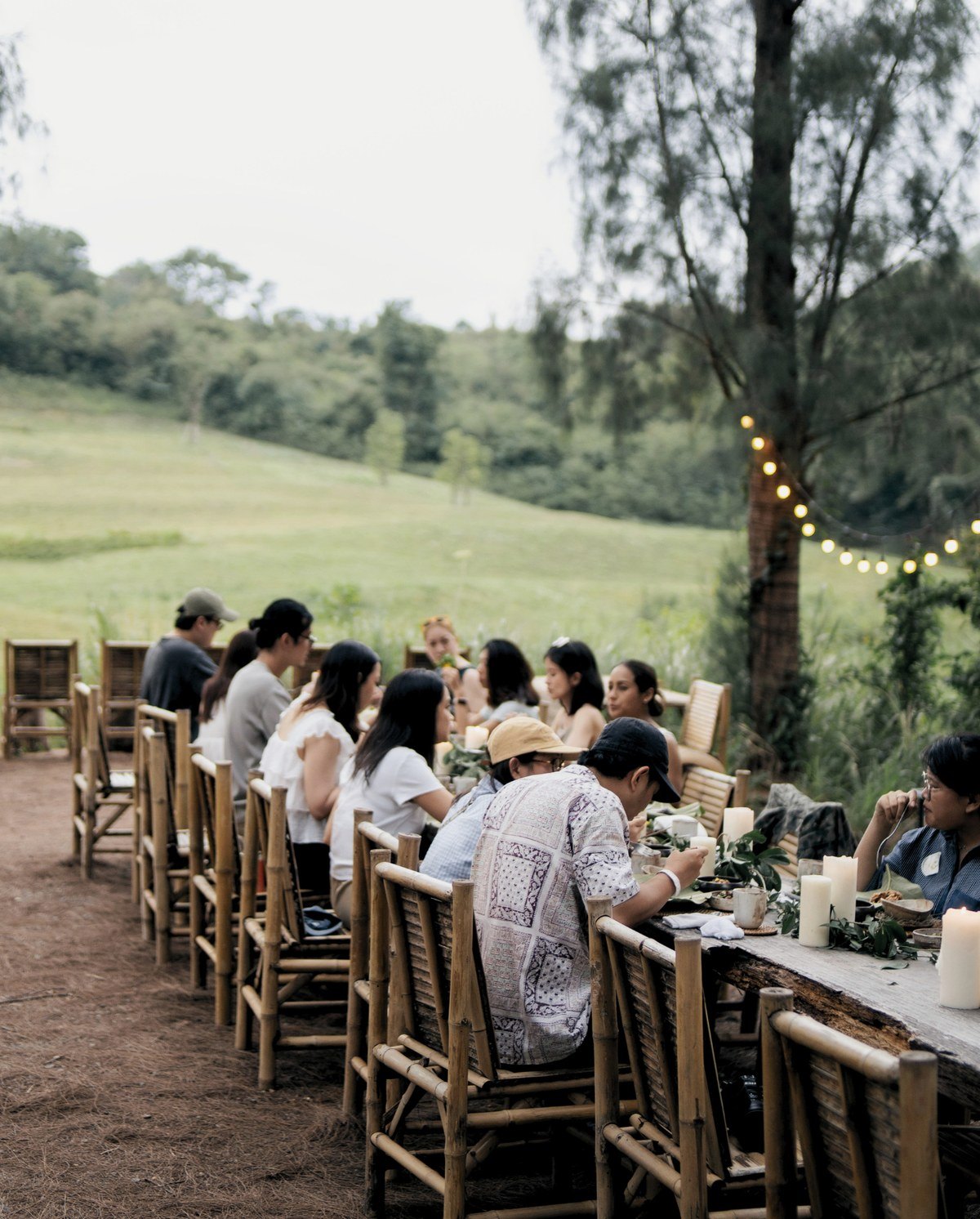
- Day one afternoon: arrive, settle in, something gentle outdoors such as a sensory nature walk, then a long table dinner without phones.
- Day two morning: the deepest experiences, when people are rested: breathwork, sound healing, an optional cold plunge, or a guided reflection.
- Day two late morning: each person writes a short personal plan, the group agrees on one or two shared commitments, and you close before lunch so people get home without rushing.
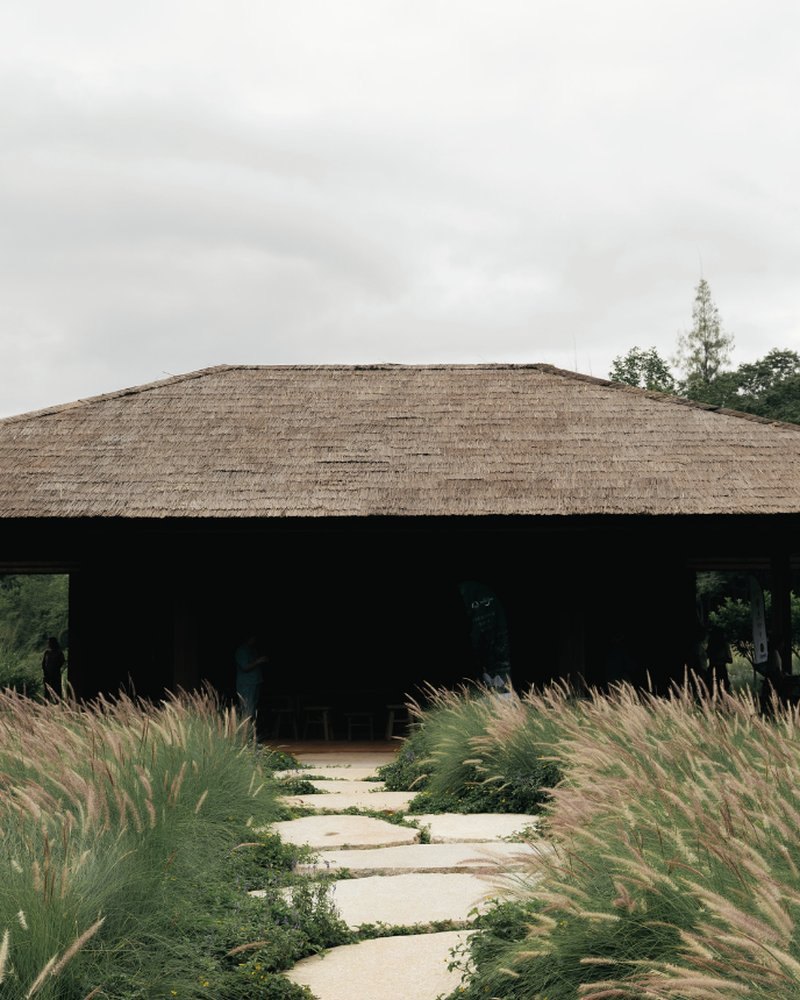
Choose venues with quiet, open spaces where groups can gather without walls and screens.
6 Weeks Out: Budget, Incentives and Approvals
Get written quotes and compare them per person, all-in. Then check whether you qualify for support. Thailand Convention and Exhibition Bureau (TCEB) runs programmes for corporate meetings and incentive groups, and its Meet Well in Thailand campaign has offered discounts of up to 20% on wellness activities with participating providers. TCEB's support criteria change every year, so check the latest conditions at tceb.or.th early, as some support requires registration before the event.
For approval, frame the retreat around the purpose sentence and the measurement plan. Leaders approve outcomes more readily than experiences.
2 Weeks Out: Logistics and Communication
- Collect dietary needs, allergies, health conditions and mobility limits privately, and share them only with the people who need to know.
- Send a short welcome note: what to pack, what to expect, and the phone-light policy. Make clear that every activity is optional.
- Send a baseline questionnaire around seven days before. Short validated tools such as the WHO-5, which takes about two minutes, and the Perceived Stress Scale keep it quick.
- Confirm transport. Vans of six to eight people are often more comfortable and flexible than one large bus.
After the Retreat: Measure and Follow Up
Seven days after the retreat, send a short re-check using the same questionnaire and compare the group averages. Share a short aggregate report with leadership, never individual scores. Then plan one small follow-up, such as a monthly in-office session, so the habits started on the retreat have somewhere to live. This is what turns a nice two days into a programme you can justify next year.
Frequently Asked Questions
How far in advance should we plan a corporate retreat? Allow eight to twelve weeks for most retreats, and longer for peak season from November to February or for international groups. How much does a corporate wellness retreat in Thailand cost? Costs depend on group size, venue, length and programme. Ask providers for a per-person price that includes accommodation, meals, activities, facilitation and transport so quotes are comparable. How long should a corporate wellness retreat be? Two days and one night is a practical minimum; three days and two nights allows a more relaxed pace and more time for each session.
If you would like help with any of these steps, Healiday designs corporate wellness retreats in Khao Yai and near Bangkok, with assessments built in. For a broader look at destinations, see our guide to retreat locations in Thailand.