
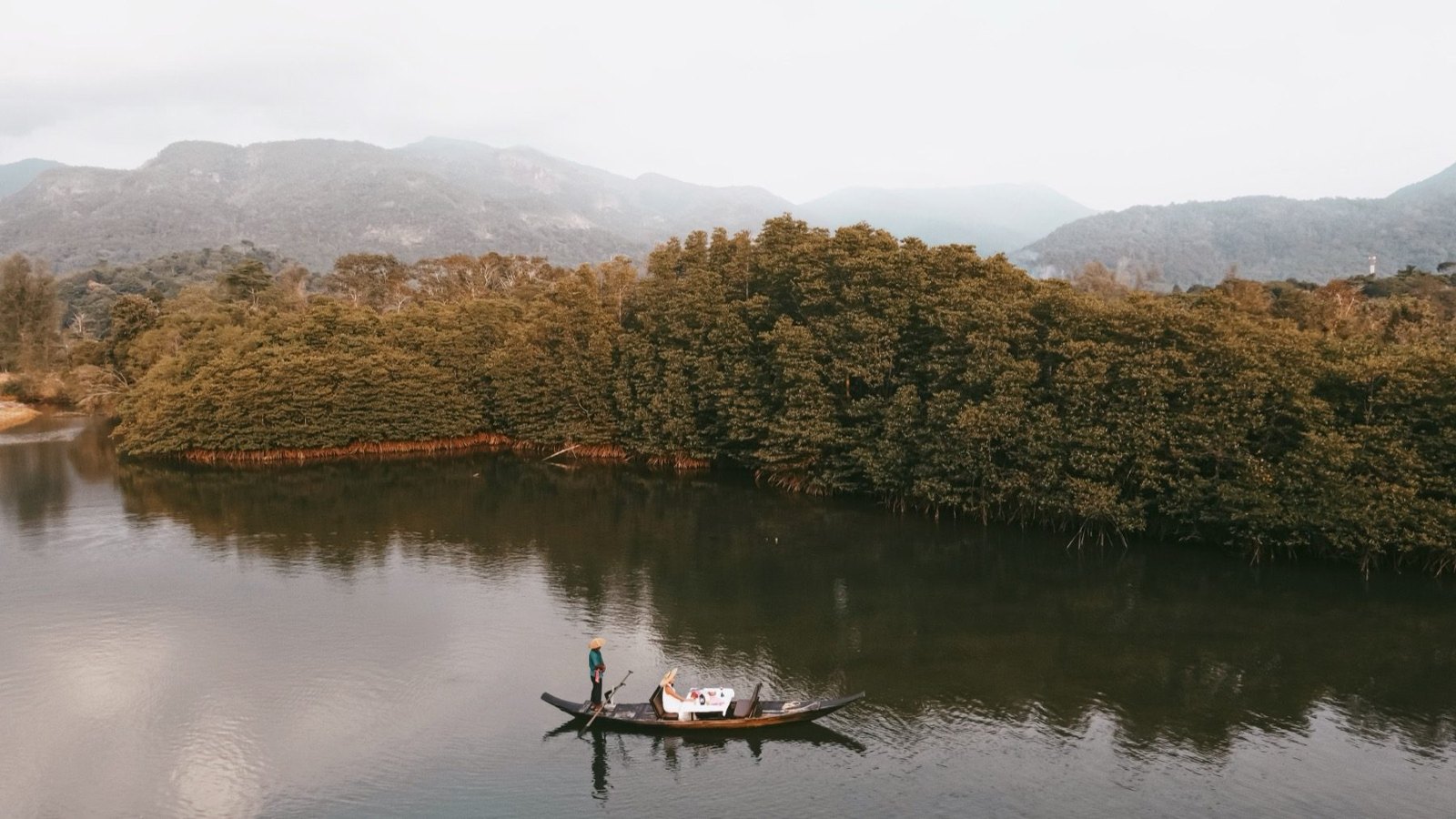
For decades the formula for an incentive trip in Asia was predictable: a beach resort, a gala dinner with a stage and a band, an awards ceremony, a late night at the bar, and a sleepy flight home. People appreciated it, but many came back to work more tired than when they left. Over the past few years, a growing number of companies have started asking a different question. If the trip is meant to reward people for a hard year, why not send them home genuinely rested?
That question is reshaping the incentive market. This article looks at why wellness incentives are growing, what makes them different from a standard trip, how to design one that still feels celebratory, and why Thailand has become a natural home for them.
Why Incentives Are Changing
- Burnout among top performers. The people who earn incentive trips are often the ones running hardest. McKinsey's research on Asia found that around one in three employees in the region report burnout symptoms. Rewarding exhausted people with more late nights misses the point.
- A shift in what people value. Many employees, especially younger ones, now see health and rest as a form of luxury. A sleep programme or a private sound healing session can feel more special than another hotel ballroom.
- Retention, not just reward. Gallup's 2025 data shows global engagement at just 21%. Companies want incentive trips to do more than say thank you; they want people to come back recommitted.
- Government support for wellness MICE. Thailand Convention and Exhibition Bureau (TCEB) and the Tourism Authority of Thailand have actively promoted wellness for meetings and incentives, including TCEB's Meet Well in Thailand campaign with discounts on wellness activities through participating providers.
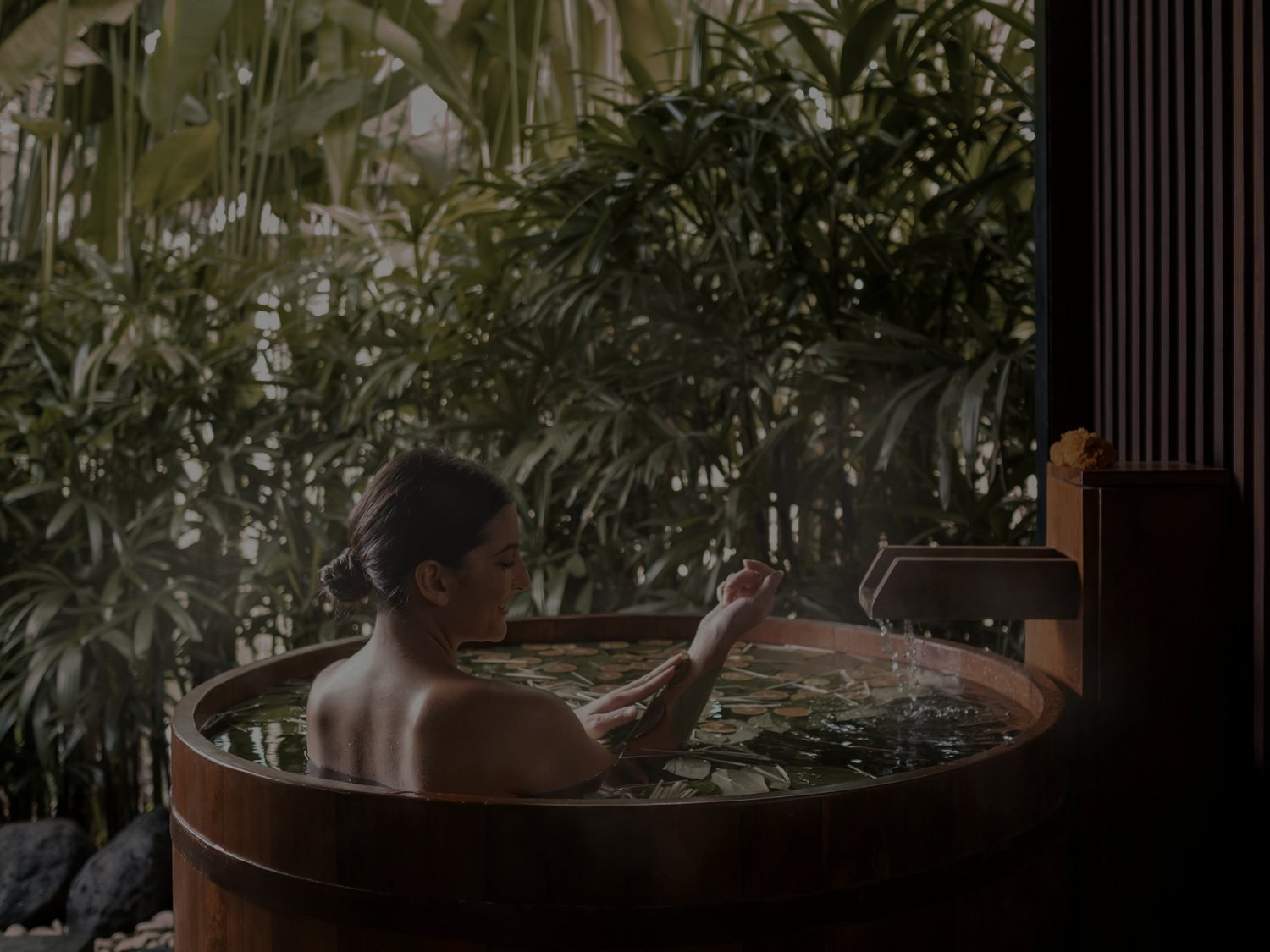
A slower pace is the luxury many high performers rarely allow themselves.
What Makes a Wellness Incentive Different
A wellness incentive is not a meditation camp. People still expect to feel celebrated, and the best programmes keep the sense of occasion while changing the rhythm. Think of it as swapping volume for depth. Instead of a packed itinerary of sightseeing, there are fewer, more meaningful experiences. Instead of one loud gala, there is a beautiful long-table dinner under the trees, followed by an early night that people are grateful for the next morning.
- Personal, not generic. A short wellbeing assessment before the trip lets you tailor elements such as sleep support, movement level or quiet time.
- Experiences people would not book for themselves. Contrast therapy with a guide, a traditional Thai medicine consultation, a private forest walk at dawn. These become the stories people tell.
- Built-in free time. Unstructured hours are part of the reward. People remember the afternoon by the pool as much as the planned activities.
- Something to take home. A personal recovery plan, a scent blend made on the trip, a breathing technique. Small things that keep the benefit going after the photos are posted.
Keeping the Celebration
The most common worry from sales leaders is that a wellness trip will feel too serious. It does not have to. Awards can still happen, perhaps around a fire pit rather than on a stage. There can still be a party night; it simply does not have to be every night. Many groups find a balance with one celebratory evening and one restorative evening, with the restorative one usually remembered more fondly.
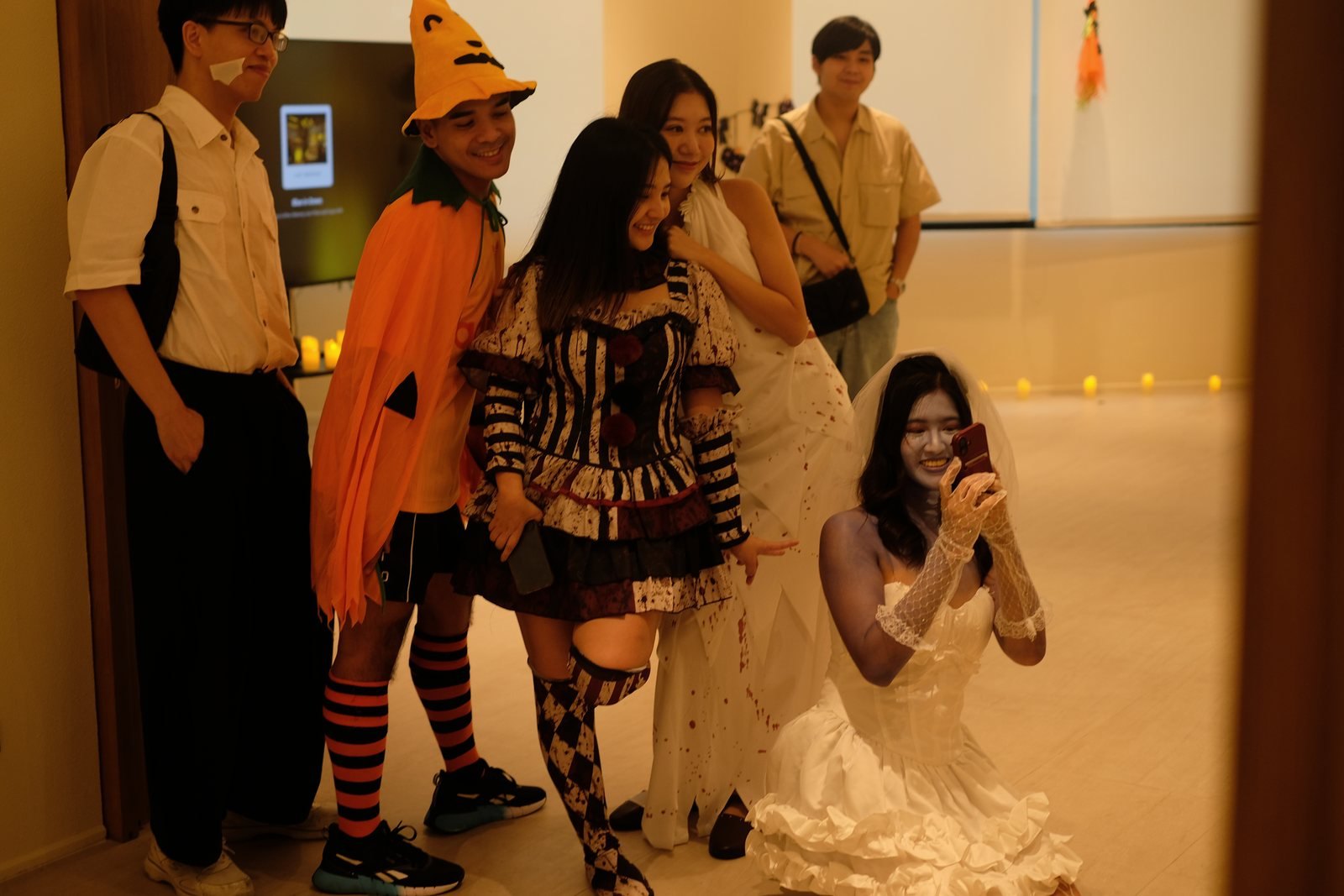
Celebration still has its place; it just doesn't have to be loud.
Why Thailand Fits
The Global Wellness Institute ranks Thailand's wellness tourism economy at around US$14.5 billion, among the top 15 in the world, with roughly 17.5 million wellness trips a year. That depth shows up in practice: experienced spa and wellness practitioners, a strong tradition of Thai massage and herbal medicine, and venues ranging from forest lodges to beach resorts. It is also a short flight from most Asian business hubs, which matters when the trip is only three or four days. Our guide to retreat locations in Thailand compares the main regions.
Frequently Asked Questions
What is a wellness incentive trip? It is a reward trip for high-performing employees or partners that centres on rest, nature and health activities instead of late-night parties. Why choose Thailand for an incentive trip? Short flights from across Asia, a mature wellness industry, good value and support schemes from Thailand's convention bureau make it an easy choice. How long should an incentive trip be? Three to four nights is typical, enough to rest and enjoy activities without too much time away from work.
Healiday designs wellness programmes for incentive groups in Khao Yai and around Bangkok, and can add recovery experiences to an existing trip. If you are planning the full event, our step-by-step retreat checklist covers timelines and TCEB support.