
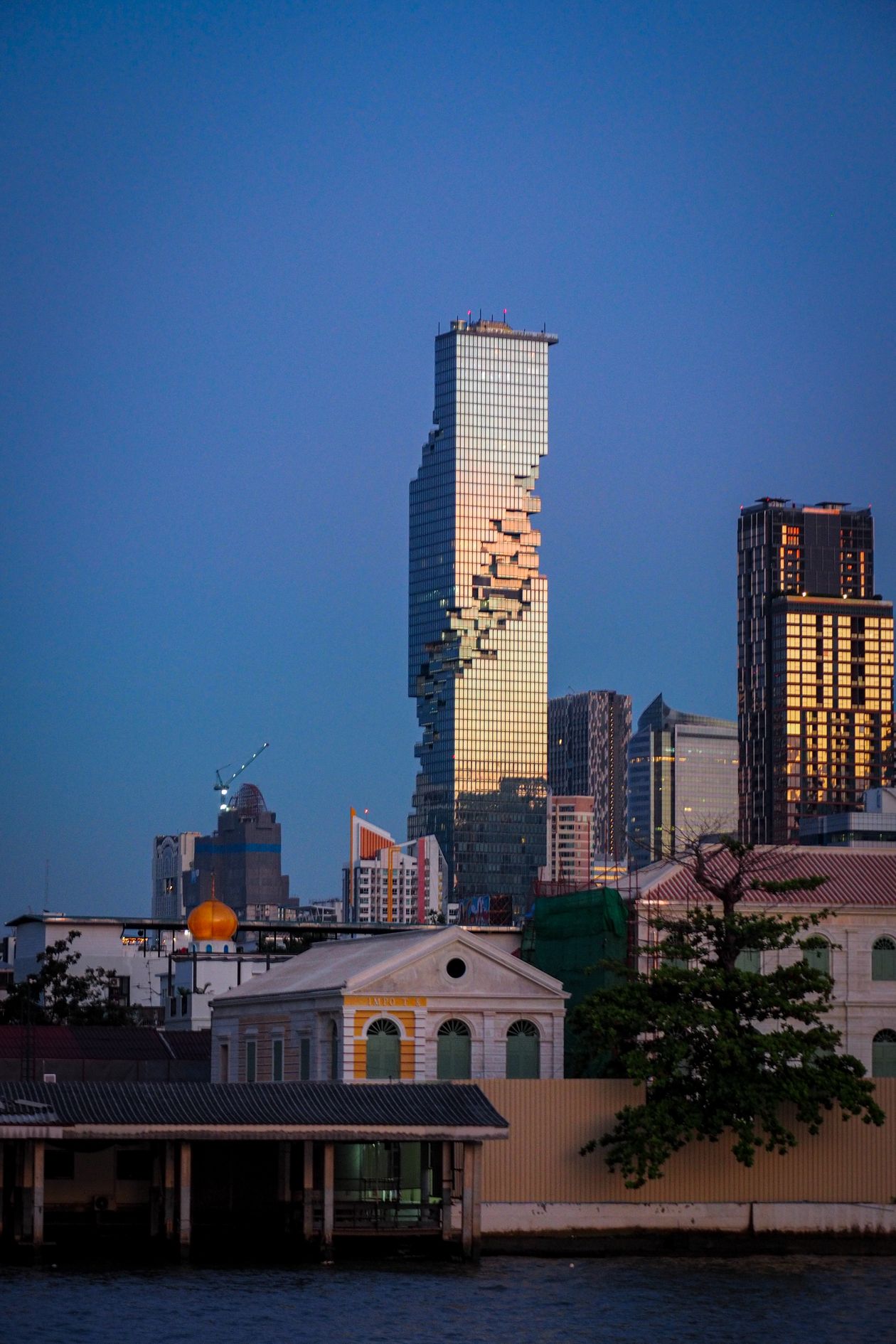
In mid-November, the global wellness industry's biggest names gathered in Phuket, Bangkok's longevity ambitions made international headlines, and new figures confirmed what many of us here already feel: Thailand is no longer just a place to relax, it is becoming a place to focus on prevention. That is exciting, and it also means more choice, more marketing and more noise. If you are considering a medical wellness retreat in Bangkok, here is what changed this month and how to separate real science from shiny brochures.
What Happened in November 2026
The "Davos of Wellness" Came to Phuket
The Global Wellness Summit marked its 20th anniversary in Phuket from 10 to 13 November, with around 600 international delegates, as Destination Deluxe reported. At the close, organisers announced that the 2027 summit will move to London, as European Spa magazine reported. For Thailand, hosting the milestone edition was a chance to showcase its wellness offer to the whole industry.
New Numbers on Thailand's Wellness Economy
According to Global Wellness Institute figures released in Phuket on 12 November and summarised by Travel and Tour World on 13 November, Thailand's wellness economy reached about US$46.5 billion in 2025, up 8.8% on the previous year. Wellness tourism was the largest single segment at roughly US$14.5 billion, across 17.5 million domestic and inbound wellness trips. Wellness real estate grew fastest, by 66.7%, to US$1.2 billion.
Bangkok Bets on Longevity
Meanwhile, the Global Wellness Summit's trend round-up published on 19 November highlighted WellEra, a roughly THB 29 billion development by Bangkok Dusit Medical Services and Capella opposite Lumpini Park. It combines residences, a wellness clinic, an urban retreat and a longevity club offering assessments such as genetic and epigenetic testing, biological age, hormones, micronutrients and cardiovascular health. The signal is clear: screening-led prevention is moving from niche to mainstream, and Bangkok wants to be a hub for it in Asia.
The Catch: Not Every "Longevity" Label Means Science
A booming market brings a caution worth repeating. Medical wellness deserves more scrutiny than a spa day, and words like detox, longevity or anti-ageing on a menu do not prove that anything works. A good medical wellness retreat, wherever you book it, should be able to tell you exactly what it measures, who interprets it, why each therapy is there, and what happens after you fly home.

A credible retreat can tell you what it measures and who reviews your results. Photo: Cedric Fauntleroy / Pexels
How to Choose a Medical Wellness Retreat in Bangkok: A Checklist
- Measure first. Look for a proper health screening up front (for example HRV, key blood biomarkers and sleep data) so the program is built on your results, not a generic template.
- Named, qualified doctors. You should know who reviews your data and what their credentials are before you book.
- Evidence-based therapies. Each therapy should have a clear reason to be there, with suitability checks, and licensed practitioners where relevant.
- A plan, not a souvenir. The most valuable output is a personal plan you can follow for months, ideally with a way to re-measure progress.
- Honest scope. A three-day retreat can reset and inform. It does not replace your regular doctor or ongoing treatment.
- Logistics and paperwork. Confirm what is included (transfers, meals, private transport), check your insurance, and verify your entry rules: from 15 September 2026, Thailand replaced its 60-day visa exemption with a stay of up to 30 days for most visa-exempt passports, and some nationalities have different arrangements (TAT News).
Practical Takeaways
For Executives and Frequent Travellers
- Use a short Bangkok stopover as a health checkpoint. Three days allows time for a health screening and a clear plan.
- Bring your recent medical results so the doctor can see trends, not just a single snapshot.
- Book around a natural break (year-end, post-project) and protect the 90 days afterwards for follow-through.
For HR and Benefits Leaders
- As prevention goes mainstream, consider screening-based programs for leadership teams instead of one-size-fits-all offsites.
- Insist on measurement before and after, and aggregate reporting that protects individual privacy.
- For regional teams in Singapore, the Philippines or elsewhere in Asia, Bangkok offers short flights and major international hospitals in one trip.
How We Built the Restore Retreat
We designed our Restore Retreat with that checklist in mind. It is a private three-day, two-night wellness program designed with physician input, with a riverside stay in the heart of Bangkok, for people running on stress and too little sleep who want a clearer picture of their health.
- Measure: an in-depth health screening covering HRV, key biomarkers and sleep data, carried out at a licensed partner facility.
- Reset: hyperbaric oxygen sessions, infrared sauna, ice bath, private sound healing, morning yoga and a luxury Thai spa, offered according to your screening results.
- Plan: a private expert session on recovery and longevity with our physician, physician-scientist Dr. Torsak Tippairote, MD, an IFM Certified Practitioner (IFMCP), and a personal report with a 90-day lifestyle plan.
Therapies such as hyperbaric oxygen and ice baths aren't suitable for everyone, including people with heart conditions or high blood pressure, or during pregnancy, so every guest is screened first. Everything is handled: five-star accommodation, wellness meals and fine Thai dining, private transport and a dedicated trip assistant. Women who want a hormone-focused version can choose our Her Rhythm Retreat, and teams can head to Khao Yai for our corporate and group programs.

Prefer forest air? Teams can continue to Khao Yai, about 2.5 to 3 hours by road from Bangkok. Photo: Kieren Ridley / Pexels
Frequently Asked Questions
What is a medical wellness retreat?
It is a wellness program that combines health screening and physician input with restorative therapies and lifestyle guidance. Unlike a spa break, it starts by measuring your health and ends with a personalised plan.
Why is Bangkok a good place for a medical wellness retreat?
Bangkok combines internationally recognised hospitals and specialists with five-star hospitality and easy regional flights. Thailand's wellness economy grew 8.8% in 2025, and the city is investing heavily in longevity and preventive health.
How long should a medical wellness retreat be?
Three days allows time for a health screening, restorative sessions and a one-to-one session with a physician. The real work happens in the following 90 days, which is why a clear take-home plan matters more than the length of the stay.
Do I need a visa for a wellness retreat in Thailand?
It depends on your passport. Since 15 September 2026, most visa-exempt travellers can stay up to 30 days, but rules differ by nationality, so check your current permitted stay before booking. Our team can share booking confirmations to support your travel plans.
Measure. Reset. Plan.
Thailand's wellness moment is here, and you deserve the version built on science. Schedule a consultation to plan your Restore Retreat, or take the assessment to find the right reset for you. Make your holiday a Healiday.
Sources
- Travel and Tour World: Thailand Wellness Tourism Boom Brings Exciting Spa Holidays for Travellers Worldwide (13 Nov 2026)
- Destination Deluxe: Global Wellness Summit 2026 highlights
- European Spa magazine: Global Wellness Summit 2027 to be hosted in London (13 Nov 2026)
- Global Wellness Summit: The Trend in the News (November 2026)
- TAT News: New 30-day and 15-day visa exemption rules from 15 September 2026
- Healiday: Restore Retreat
This article is for general information and is not medical advice. Healiday retreats are wellness programs and do not diagnose, treat or cure any medical condition. Health screenings and therapies are provided by licensed partner facilities, subject to medical suitability, and individual experiences vary.