Most people treat their health like a fire alarm. They wait until something goes off, then react. No alarm means everything must be fine, so they push on. The trouble is that the conditions that do the most damage do not make noise. They build quietly for years while you feel perfectly well.
That is where a medical and wellness retreat can help. Instead of waiting for the alarm, you go looking for the smoke.
The takeaway is simple. Catch problems early, protect the years you live well, and do it somewhere good care and real rest go together. That is preventive health, and Thailand is an increasingly popular place to do it.

Lifespan and healthspan are not the same thing
Living longer is not the same as living well for longer. Lifespan counts your years. Healthspan counts the years you spend with full function, energy, and independence, and those two numbers can sit decades apart.
Modern medicine has become good at extending lifespan. It is less built to protect the quality of your life in the years before things start to fail. That is where preventive health sits, and it chases a different goal than a standard hospital visit. A longevity retreat in Bangkok is built around healthspan. The question it asks is not what is wrong with you today, but how to keep your body working well for another twenty years.
What a preventive program looks at
The tools have moved well beyond a single blood panel, and many are now used by people with no diagnosed condition at all. Early cancer screening looks at markers in your blood, and some newer panels can pick up fragments of tumour DNA that cells shed into the bloodstream, with imaging where it helps, so certain problems can be spotted sooner, when there are more options. Multi-cancer blood tests are not a replacement for guideline screening, and false positives can occur.
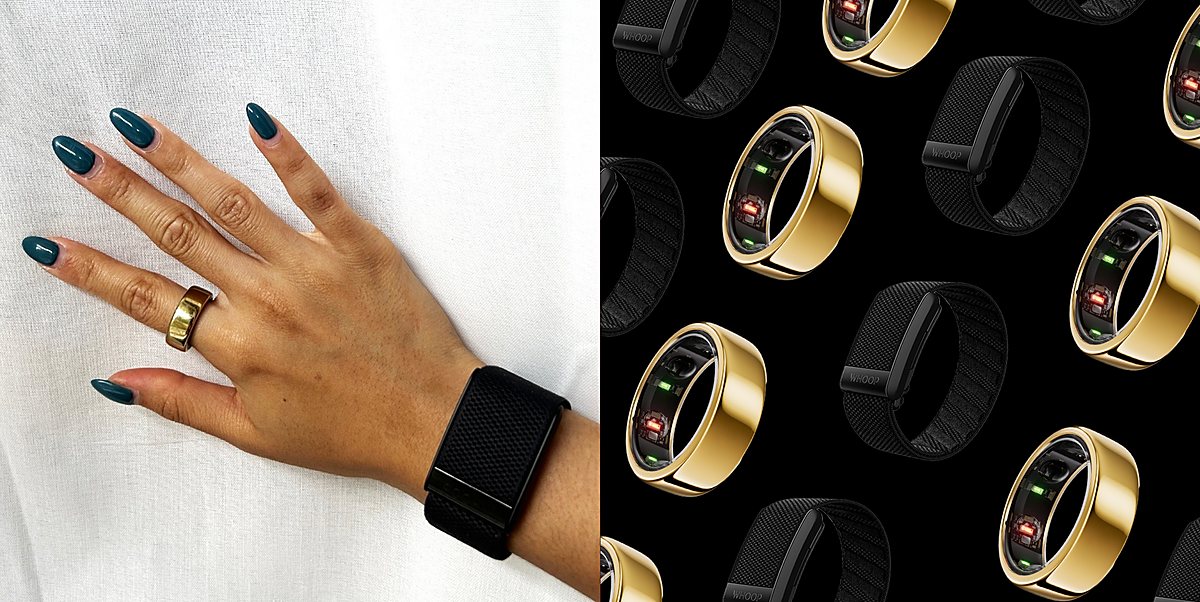
Bio age testing reads chemical marks on your DNA, called methylation, that shift with age and habits, and turns them into a number you can work on. A continuous glucose monitor sits with a tiny filament just under the skin and samples the fluid there every few minutes, so instead of one fasting figure you see the whole curve after each meal, workout, or short night. Wearables such as smart rings and recovery bands measure your heart rate and its beat-to-beat variation through the night, which gives a rough sense of how well you are recovering. Read alongside standard panels at a wellness medical retreat, these draw a far richer picture than any single test. All of these tests are still evolving; a doctor can explain what each can and can't tell you.
Everyday habits as the foundation
Lifestyle medicine focuses on everyday habits. Six areas come up again and again: what you eat, how you move, how you sleep, how you handle stress, the substances you avoid, and how connected you are to other people. Together, they sit at the base of any real prevention plan. This is where a medical wellness program in Thailand turns general advice into specific, doable changes that fit your life.
Prevention costs less than treatment
The detailed version of this argument is more convincing than the slogan. Spotting raised cholesterol early, when changes to diet and habits are often the first step, is relatively inexpensive. A single preventive panel can be a small fraction of what treating a serious illness may cost later.
In general, early findings tend to respond to simpler, lower-risk fixes, while late findings often need more expensive treatment, with side effects and slower recovery. That makes prevention a financial decision as much as a health one.
Why Thailand
Thailand pairs strong clinical care with a setting made for recovery. A holistic wellness program in Thailand lifts you out of the very conditions producing your stress at home, which is part of how a relaxation and recovery retreat does its work.
As a Bangkok-based team, we often see people arrive braced for bad news. After screening at one of our licensed partner hospitals or clinics, many leave with a baseline and a plan instead. That shift, from dread to a plan, is much of the value.
What you leave with
What you take home is a baseline, a clear picture of where your health stands today, and a baseline is something you can move. A small 2021 pilot study (Fitzgerald et al., Aging) reported a reduction in an epigenetic age estimate after an eight-week diet and lifestyle program; larger studies are needed. That is the point of a baseline. It is the line you measure against each year, so you can see whether the changes you make are working and act while a shift is still small. Most people leave with a short list to watch and a shorter list to change, which is how vague worry becomes information you can use. Remember one thing: prevention protects your healthspan, and acting early is often simpler than waiting.
FAQ
What is the difference between healthspan and lifespan?
Lifespan is how long you live. Healthspan is how long you live well, with full energy and independence. Picture two people who both reach 85. One spends the last fifteen years managing illness, the other stays active and sharp. Same lifespan, very different healthspan. Preventive care at a longevity retreat in Bangkok is built around widening the second.
I had a health checkup recently. Is that the same thing?
Not quite. A standard check-up looks for common problems; it can't rule out every illness. A preventive assessment at a medical and wellness retreat looks for early trends, using tests a checkup often skips, such as a hormone and metabolic panel, inflammation markers, or a bio age reading. The same blood result can read as fine to one and worth watching to the other.
What is lifestyle medicine?
An approach that focuses on everyday habits: what you eat, how you move, how you sleep, how you handle stress, the substances you avoid, and how connected you feel. These fundamentals sit at the base of any long-term prevention plan, and a doctor can advise how they apply to your own health.
This article is for general information and is not medical advice. Healiday retreats are wellness programs and do not diagnose, treat or cure any medical condition. Health screenings and therapies are provided by licensed partner facilities, subject to medical suitability, and individual experiences vary.