
Sleep is not a personal habit that sits outside leadership. It is the biological base of the skills leaders are paid for: judgement, emotional control, focus and the ability to read people. Yet a 2016 McKinsey survey of business leaders found that 43% sleep too little at least four nights a week, and 46% believe lack of sleep has little impact on their leadership. The research says otherwise, and the gap between the two is where many avoidable mistakes come from.
What Sleep Loss Actually Does to a Leader
The effects are well documented and surprisingly specific. Being awake for 17 to 19 hours produces performance impairment comparable to a blood alcohol level of 0.05%, according to a widely cited study by Williamson and Feyer. Brain imaging work by Matthew Walker's group found that one night without sleep made the amygdala, the brain's threat detector, around 60% more reactive to negative images, while its connection to the prefrontal cortex, which normally calms it down, weakened. In everyday terms, a tired leader is more likely to read neutral feedback as criticism and to respond sharply.
- Judgement narrows. Sleep-deprived people stick with a failing plan longer and are worse at updating when new information arrives.
- Risk perception shifts. Studies show tired people become more optimistic about gains and less sensitive to losses, a dangerous mix for investment or hiring decisions.
- Empathy drops. Reading facial expressions accurately gets harder, so leaders miss the signals that a team member is struggling or disagrees.
- The team feels it. McKinsey cites research in which leaders who slept poorly were rated as less inspiring and showed more abusive behaviour the next day, and their teams were less engaged.
Why Leaders Underestimate It
The most important finding in sleep research for executives is that people are poor judges of their own impairment. In studies where participants were restricted to six hours a night for two weeks, their performance on attention tasks fell steadily, but their own rating of how sleepy they felt levelled off after a few days. They adapted to feeling tired, not to being tired. This is why "I function fine on five hours" is so common and so rarely true. There is a small genetic minority who genuinely need less, but it is far smaller than the number of people who believe they belong to it.

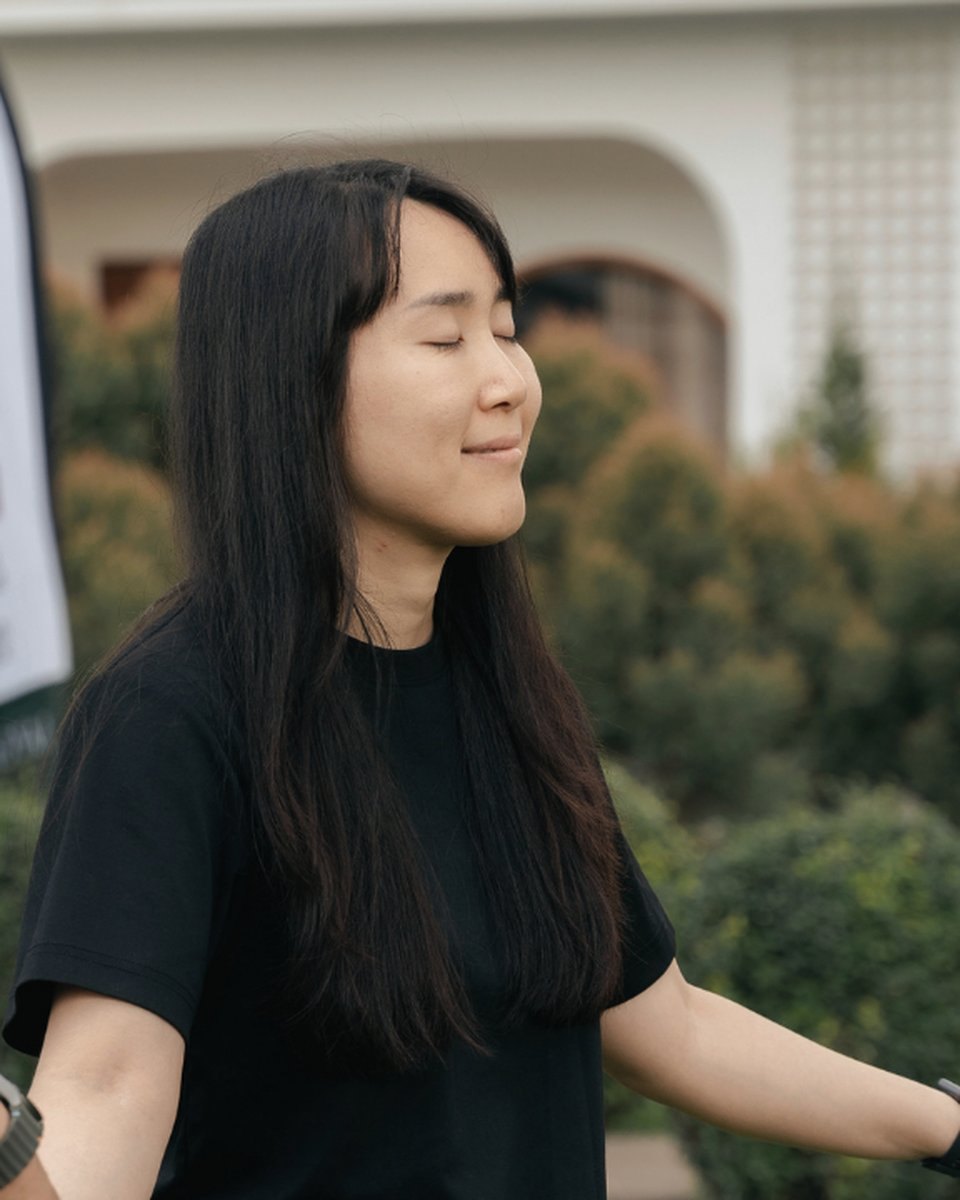
Calm mornings outdoors help reset the body clock.
Practical Fixes for Busy, Travel-Heavy Leaders
- Protect a consistent wake time, even after a late night. A stable wake time anchors the body clock better than trying to catch up at weekends.
- Get outdoor light within an hour of waking. Ten to twenty minutes outside, even on a cloudy day, is far brighter than indoor lighting and helps you fall asleep earlier that night. When travelling across time zones, time your light exposure to the destination.
- Set a caffeine cut-off around eight hours before bed. Caffeine's half-life is roughly five to six hours, so an afternoon coffee is still partly active at midnight.
- Treat alcohol as a sleep cost. It helps you fall asleep but fragments the second half of the night and suppresses REM sleep, which matters for emotional processing. Client dinners are where many executives lose the most sleep quality.
- Build a short wind-down that works anywhere. A 2023 Stanford study in Cell Reports Medicine found that five minutes a day of "cyclic sighing" (a double inhale through the nose, then a long, slow exhale) improved mood and reduced physiological arousal more than mindfulness meditation in the same time. It is portable and hotel-room friendly.
- Move the phone out of reach. Not because of blue light, which matters less than once thought, but because of the email you will read at 11pm and think about until 2am.
Making Sleep a Team Norm, Not a Private Struggle
Individual fixes only go so far if the culture rewards late-night replies. Leaders set the norm through what they model: when the CEO sends messages at midnight, the team learns that being available at midnight is expected. Some simple changes help: schedule-send emails for the morning, avoid early meetings after long-haul travel, and make it acceptable to say "I'm going to sleep on this decision". Some leadership teams also use an annual retreat as a reset point: a few nights of proper sleep in a quiet place often shows people how much they had been compensating for.
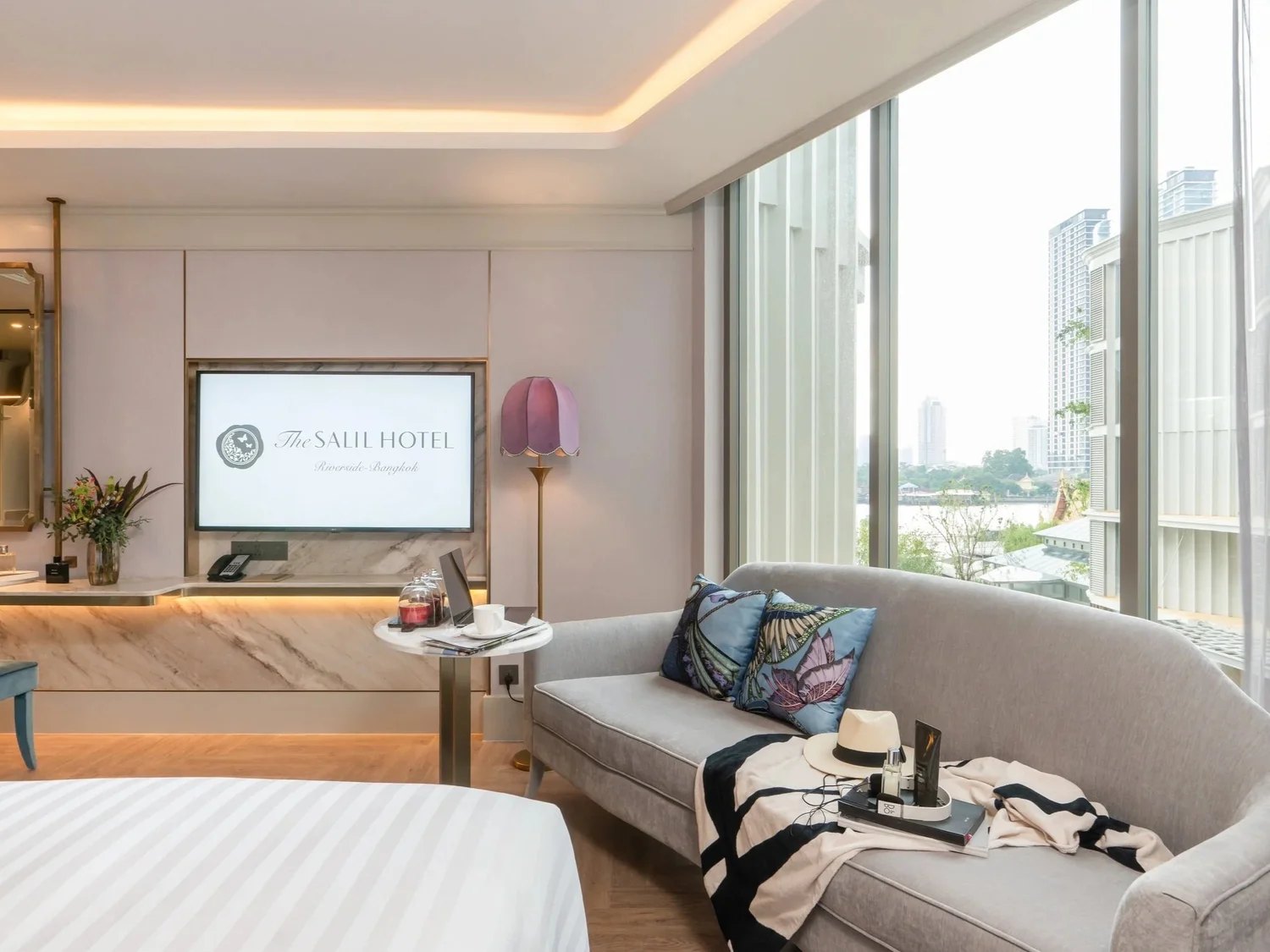
A quiet, dark, cool room matters more for sleep than any gadget.
Frequently Asked Questions
How much sleep do adults need? Most adults need seven to nine hours; consistently getting fewer than seven is linked with measurable declines in performance and health. Do naps help? A 10 to 20 minute nap before 3pm can restore alertness without hurting night-time sleep. Is a sleep tracker worth it? It can be useful for spotting patterns, but if checking the score makes you anxious, take it off. When should I see a doctor? If you snore heavily, wake unrefreshed despite enough hours, or struggle to stay awake during the day, see a doctor and ask about sleep apnoea, which is common and treatable.
If your leadership team would benefit from a few nights of real rest, Healiday's retreats in Khao Yai are built around early light, movement, breathwork and quiet evenings.
Sources
- McKinsey: The organizational cost of insufficient sleep
- Williamson & Feyer (2000): Moderate sleep deprivation and alcohol intoxication
- Yoo et al. (2007): The human emotional brain without sleep
- Van Dongen et al. (2003): The cumulative cost of additional wakefulness
- Cell Reports Medicine (2023): Brief structured respiration practices
This article is for general information and is not medical advice. Healiday retreats are wellness programs and do not diagnose, treat or cure any medical condition. Health screenings and therapies are provided by licensed partner facilities, subject to medical suitability, and individual experiences vary.