
In photographs, a luxury hotel and a wellness retreat can look almost identical: the same infinity pool, the same white linen, the same view over the sea or the jungle. Many retreats even operate inside hotels. So it is fair to ask what the difference really is, and whether it is worth paying for. The short answer is that the difference is not in the room. It is in what the stay is designed to achieve. A hotel is designed to make you comfortable while you are there. A retreat is designed to change how you feel after you leave.
Why a Great Hotel Often Isn't Enough
A five-star resort removes friction: no cooking, no cleaning, beautiful surroundings. That is genuinely restful for a few days. But it leaves most of the habits that drain you untouched. You still decide everything yourself. You still sleep late after a long dinner and a few drinks. You still check email by the pool. Research on vacations shows that the wellbeing boost from a typical holiday fades within a few weeks of returning to work. Without any change in sleep, movement, stress or food, the comfortable week becomes a pleasant memory rather than a turning point.
Five Real Differences
1. A programme, not a menu. A hotel gives you options: spa, gym, restaurants, excursions. A retreat gives you a rhythm: when to wake, move, eat, rest and sleep. That sounds restrictive, but for busy people it is a relief. Decision fatigue disappears, and the structure is designed around what actually restores the body, not what fills the day.
2. Expert guidance. A retreat includes people whose job is your wellbeing: coaches, therapists, yoga or breathwork teachers and, in medical retreats, doctors and nutritionists. They notice how you are responding and adjust the plan. A hotel spa therapist delivers a treatment; a retreat team follows your progress.

At a retreat, treatments are part of a plan rather than a one-off indulgence.
3. Food with a purpose. Hotel menus are designed for pleasure and choice. Retreat menus are designed for steady energy, better sleep and digestion: regular mealtimes, more vegetables and protein, less alcohol and sugar. Good retreats manage this without making food feel like a punishment, and Thai cuisine, with its herbs, vegetables and fresh flavours, is particularly well suited.
4. Fewer distractions, by design. Many retreats encourage phone-free hours, quiet spaces and a smaller, calmer group of guests. This is not about rules for their own sake. Long, uninterrupted stretches away from work are what allow people to truly switch off, and they are almost impossible to create in a busy resort.
5. Something to take home. The most important difference comes at the end. A good retreat finishes with a simple, realistic plan: the two or three habits you will keep, and how. That is what turns a few good days into lasting change.
Why Thailand Is Particularly Good for Retreats
Thailand combines several things that rarely come together. It has a deep tradition of wellbeing, from Thai massage and herbal medicine to Buddhist meditation. It has internationally accredited hospitals for medical checks. And it offers very different settings within a short distance of Bangkok: mountain forest in Khao Yai, sea air on the Eastern Seaboard and quiet urban retreats in the city itself. The Global Wellness Institute ranks wellness tourism among the fastest-growing segments of travel, and Thailand is consistently one of Asia's leading destinations.
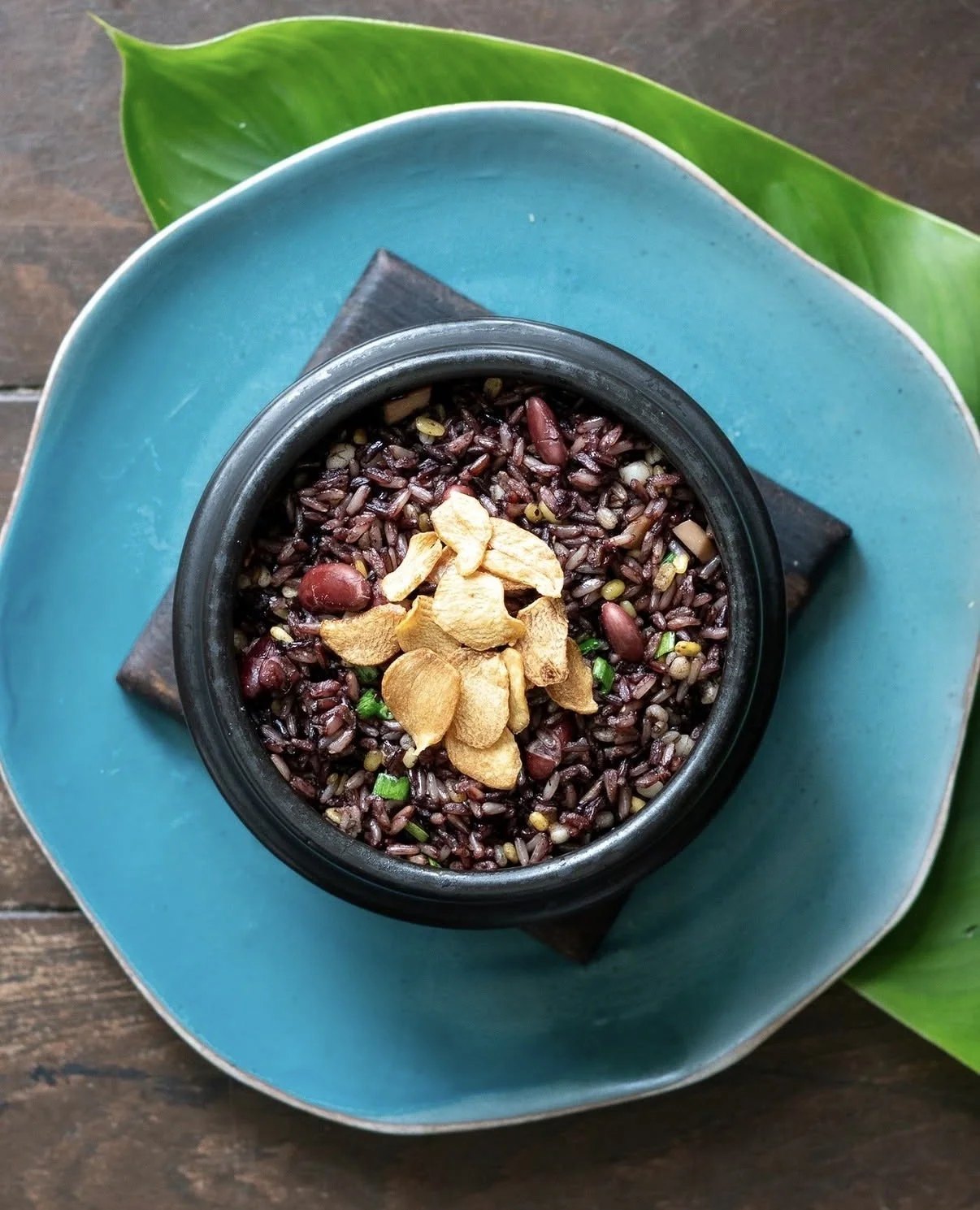
Thai ingredients, from herbs to whole grains, make healthy food easy to enjoy.
Which One Do You Need?
If you are simply tired and want a beautiful place to relax with family or friends, a good hotel is perfect, and there is nothing wrong with that. If you keep coming back from holidays feeling the same, if sleep or energy has been poor for months, or if you want a reset that actually lasts, a retreat is the better investment. Many people now combine the two: a few structured retreat days followed by a couple of free days to enjoy the destination.
Frequently Asked Questions
Is a wellness retreat more expensive than a luxury hotel? Not necessarily. Meals, activities, treatments and guidance are usually included, so compare the full price with a hotel stay once dining and spa extras are added. Do I need to be fit to join a retreat? No. Good retreats adapt every activity to your level, and many guests come precisely because they feel run down. Can companies book a wellness retreat for a team? Yes. Corporate retreats use the same principles of structure, expert guidance and habits to take home, adapted to team goals.