

Leadership teams make better strategy when they are rested. Depleted teams tend to plan defensively: they protect what exists, avoid bold bets, and underestimate how much change their people can absorb. Yet most organisations schedule annual planning at the most exhausted point of the year, straight after year-end targets. A simple sequence of recover, reconnect, then realign makes strategy season far more productive.
The State Leaders Arrive In
Gallup's State of the Global Workplace 2025 report found that global manager engagement fell from 30% to 27% in a single year, a notable drop, and that this decline accounted for most of the fall in overall employee engagement. Gallup estimates managers account for at least 70% of the variance in team engagement, so depleted leaders spread their state downwards. In a 2022 Deloitte survey, nearly 70% of C-suite executives said they were seriously considering quitting for a job that better supports their wellbeing. These are the people being asked to set a bold vision for next year.
How Fatigue Shapes Strategy
- Shorter time horizons. Under stress and fatigue, people focus on immediate threats. Plans become lists of fixes for this year's problems rather than positions for the next three.
- Less dissent. Tired people have less energy for productive conflict. Meetings reach agreement faster, but the agreement is shallower and unravels later.
- Silo defence. When trust is low, each leader protects their own budget and headcount, and cross-functional trade-offs become very hard to make.
- Underestimating the organisation's fatigue. Leaders who have not noticed their own exhaustion rarely notice their teams'. Plans then assume more capacity for change than actually exists.
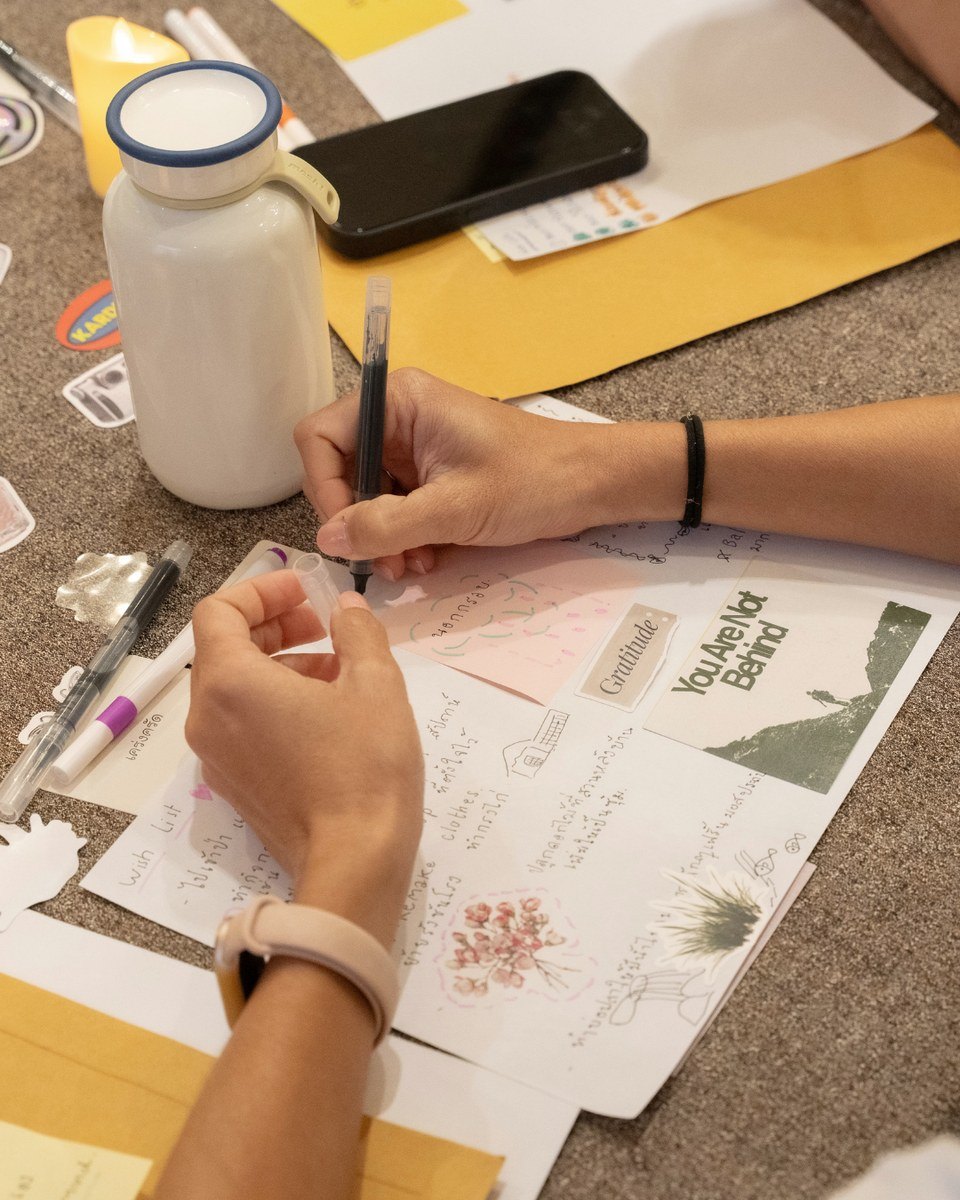
Reflection exercises help leaders surface what they really think before the formal discussion begins.
The Recover, Reconnect, Realign Sequence
- Recover (day one). No laptops, no business agenda. Time in nature, gentle movement, good food and a proper night's sleep. The aim is simply to bring everyone's stress levels down. Many teams resist this as wasted time; in practice it is what makes the next two steps possible.
- Reconnect (evening one and morning two). Structured conversations about the year that was: what each person is proud of, what cost them most, and what they need from colleagues. This rebuilds the trust that strategic trade-offs depend on.
- Realign (late morning, day two, or a separate session soon after). Only now turn to direction: three to five priorities for next year, what will stop to make room for them, and who owns each. Keep it short and focused. Detailed planning can happen back at the office with a clearer, more united team.
Practical Timing
The ideal window is two to six weeks before the formal planning cycle, so the energy and trust carry into the work. For many Asian companies that means late October to early December. Keep the group to the people who will actually own the priorities, usually 8 to 15. If the CEO wants a strategy output, agree in advance what it is: a one-page set of priorities is realistic; a full budget is not. Our two-day offsite agenda shows one way to lay this out hour by hour.
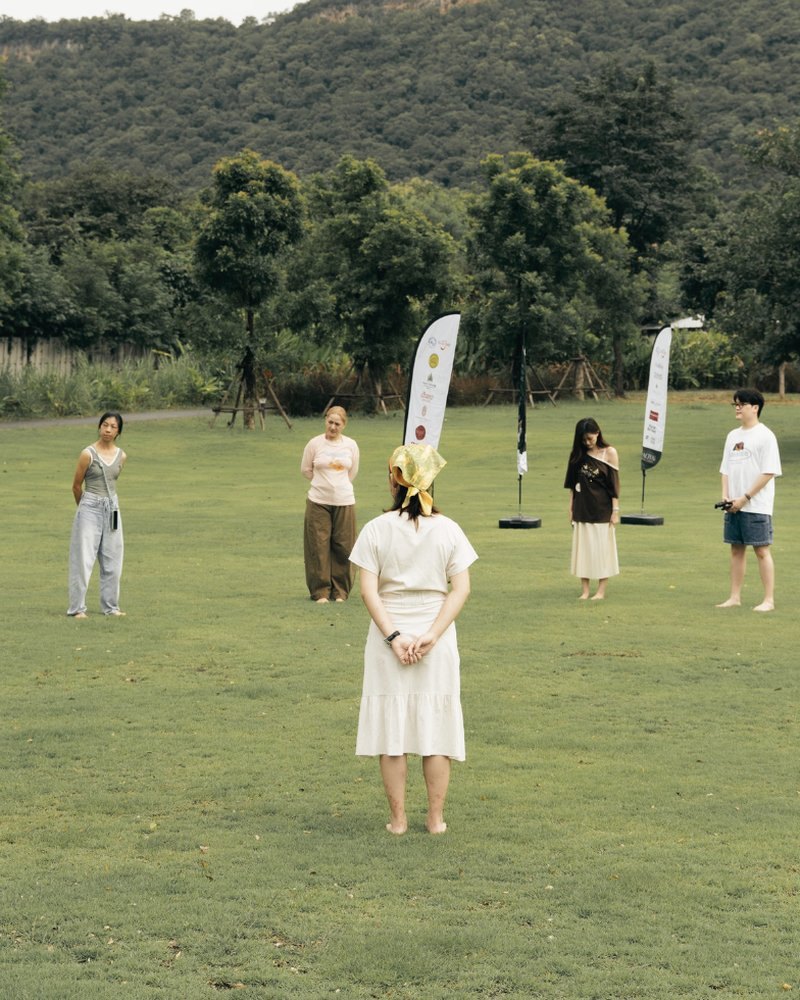
Rebuilding trust comes before agreeing priorities.
Frequently Asked Questions
Will the board see this as a holiday? Frame it by outcome: a clearer, more aligned team and a one-page set of priorities. Can we compress it into one day? You can, but recovery needs at least one night away; a single long day usually becomes another meeting. What if there is conflict in the team? Use an experienced external facilitator, and do not skip the reconnect stage; that is where it needs to surface. How do we measure success? Look at how quickly the plan is agreed afterwards and whether priorities hold for the first quarter.
Healiday designs pre-planning retreats in Khao Yai that follow this recover, reconnect, realign sequence, with space for your own facilitator on day two.