

Most leadership offsites are office meetings in a nicer room. The agenda is packed from 8am to 6pm, the slides are the same ones people would have seen at headquarters, and the "team building" is a dinner where everyone checks their phones. Leaders return with a long list of actions and very little energy to carry them out. Within a month, the offsite is a memory and the action list is a spreadsheet nobody opens.
It does not have to be like this. The best offsites are designed around how people think, not just what they need to discuss. This guide explains the principles, gives a two-day agenda that alternates recovery, connection and decision-making, and shows how to make sure the decisions survive the trip home.
Start With One Question
Before booking anything, agree on the single question the offsite must answer. "What are our three priorities for next year, and what will we stop doing?" is a good example. "Review strategy" is not. A clear question lets you cut everything that does not serve it, and gives the facilitator something concrete to steer toward.
Design Around Energy, Not Topics
Attention and judgment are limited resources that drain through the day. Research on decision fatigue is still debated, but most experienced facilitators agree on a practical pattern: people think most clearly in the morning after good sleep, energy dips after lunch, and late-afternoon sessions produce the most cautious decisions. Yet typical agendas put the hardest strategic discussion at 3pm on day one, after a flight and four hours of presentations.
- Put recovery before thinking. Use the first afternoon to decompress, not to decide.
- Put the hardest conversation on the second morning. After a night's sleep and a calm start.
- Send pre-reads instead of presenting. Use the room for discussion, not for slides people could have read on the plane.
- Alternate sitting and moving. No session longer than 90 minutes without a walk, a stretch or time outside.
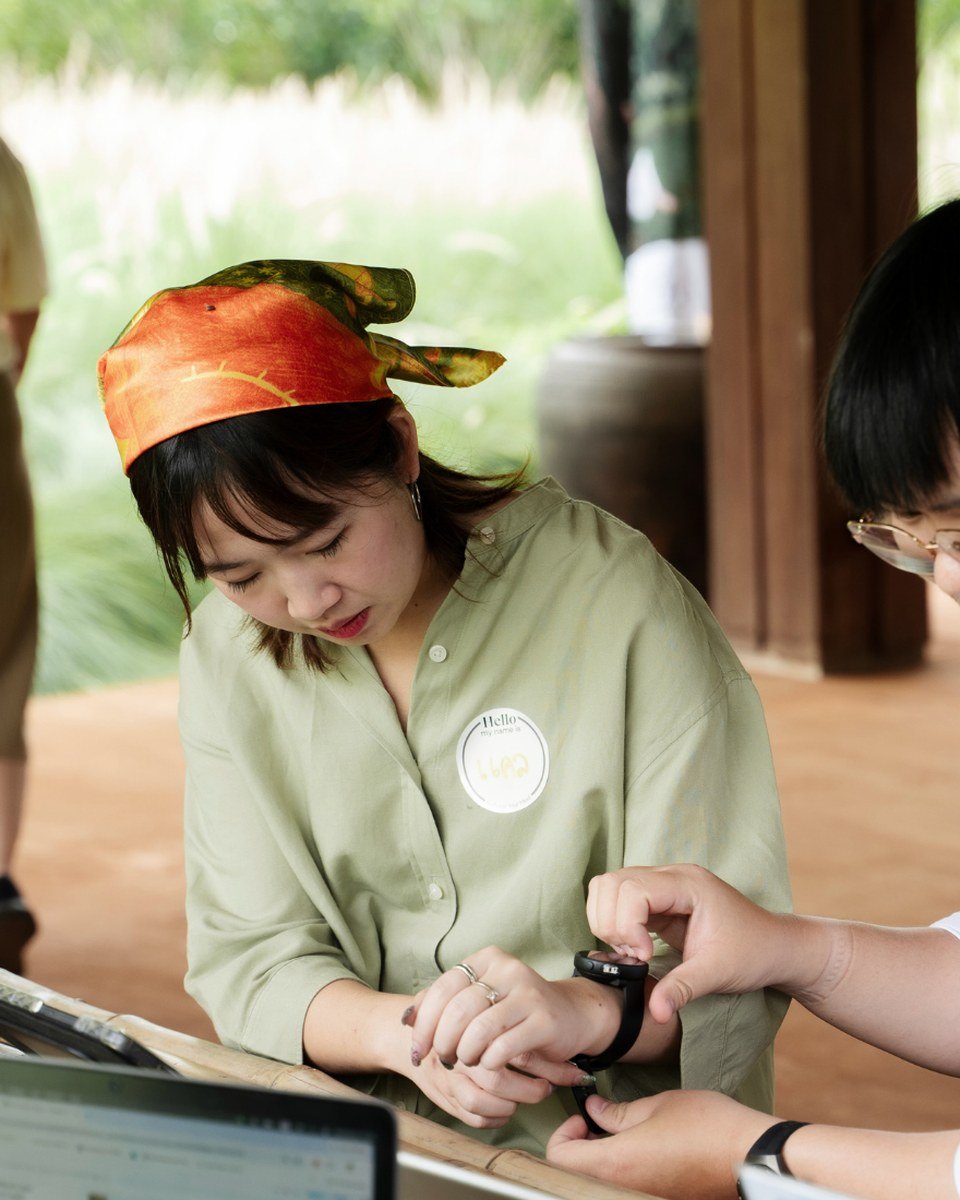
Good offsites mix data and reflection: the numbers first, then an honest conversation.
Day 1: Arrive and Recover
- Arrive by early afternoon. Light lunch, no agenda. Let people check in and change out of work clothes.
- Afternoon: a sensory nature walk or gentle movement. Something physical and quiet that moves people out of their heads.
- Late afternoon: a reflection circle. One question for the whole group, such as "what has this year cost you, and what has it given you?". Use cards or prompts so nobody has to volunteer first.
- Evening: a long-table dinner without phones. Phones in a basket. Conversation flows differently when nobody is half-present.
Day 2: Think and Decide
- Early morning: breathwork or tai chi. Twenty to thirty minutes to start the day calmly before the hard conversation.
- Morning: the core question. Two focused hours. Start by having each person write their own answer silently before any discussion, so the loudest voice does not set the frame.
- Late morning: commitments. For each priority, one owner, one first step and one date. Write them on a single page.
- Lunch and depart. Close on time. Ending early and rested is part of the message.
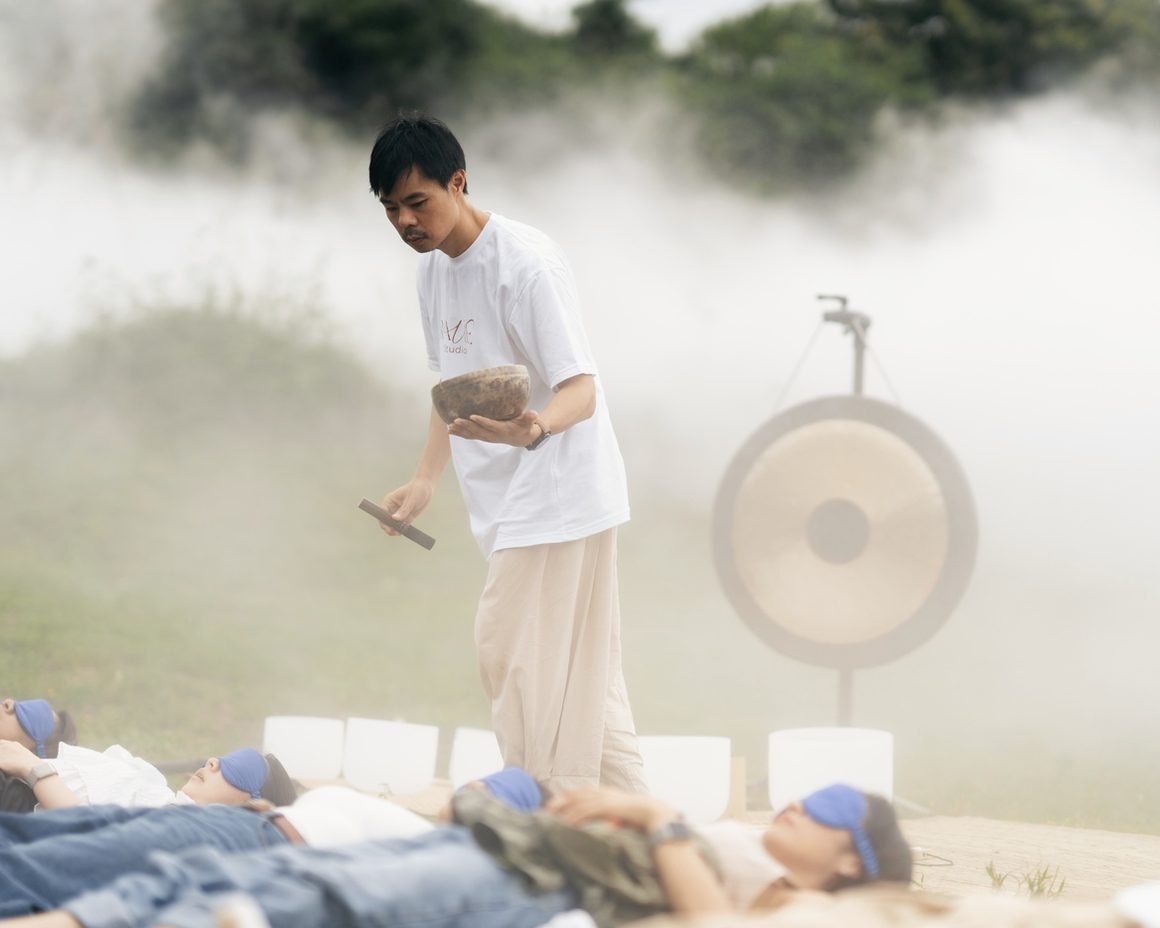
Build recovery into the agenda itself, like a sound session in the morning mist.
Facilitation Tips
- Use an external facilitator for the core session so the CEO can participate rather than chair.
- Agree ground rules at the start: phones away, no side emails, disagreement is welcome.
- Capture decisions in the room, on paper, and read them back before closing.
- Leave a generous gap between sessions. Some of the best conversations happen on the walk to lunch.
Follow Up in 30 Days
Book a 60-minute check-in for 30 days later before you leave the venue. Review each commitment: done, in progress, or blocked. This one meeting does more to make an offsite worthwhile than anything that happens on the day. If you also measured stress or wellbeing before the offsite, re-measure now; it is a useful signal of whether the recovery stuck.
Frequently Asked Questions
How long should a leadership offsite be? Two days with one night away is ideal: enough to recover, think and decide without the agenda becoming exhausting. What should be on a leadership offsite agenda? One clear goal, a recovery block, structured reflection, a focused decision session and a page of commitments with owners and dates. Do we need an external facilitator? For sensitive topics or teams with conflict, yes. An outside facilitator lets the CEO take part as a participant rather than run the room.
Healiday's Executive Resilience Retreat, two days and one night in Khao Yai for teams of 10 or more, covers the recovery and connection parts of this agenda, and can add a facilitated decision morning. For a deeper look at why the order matters, read recover first, plan second.