
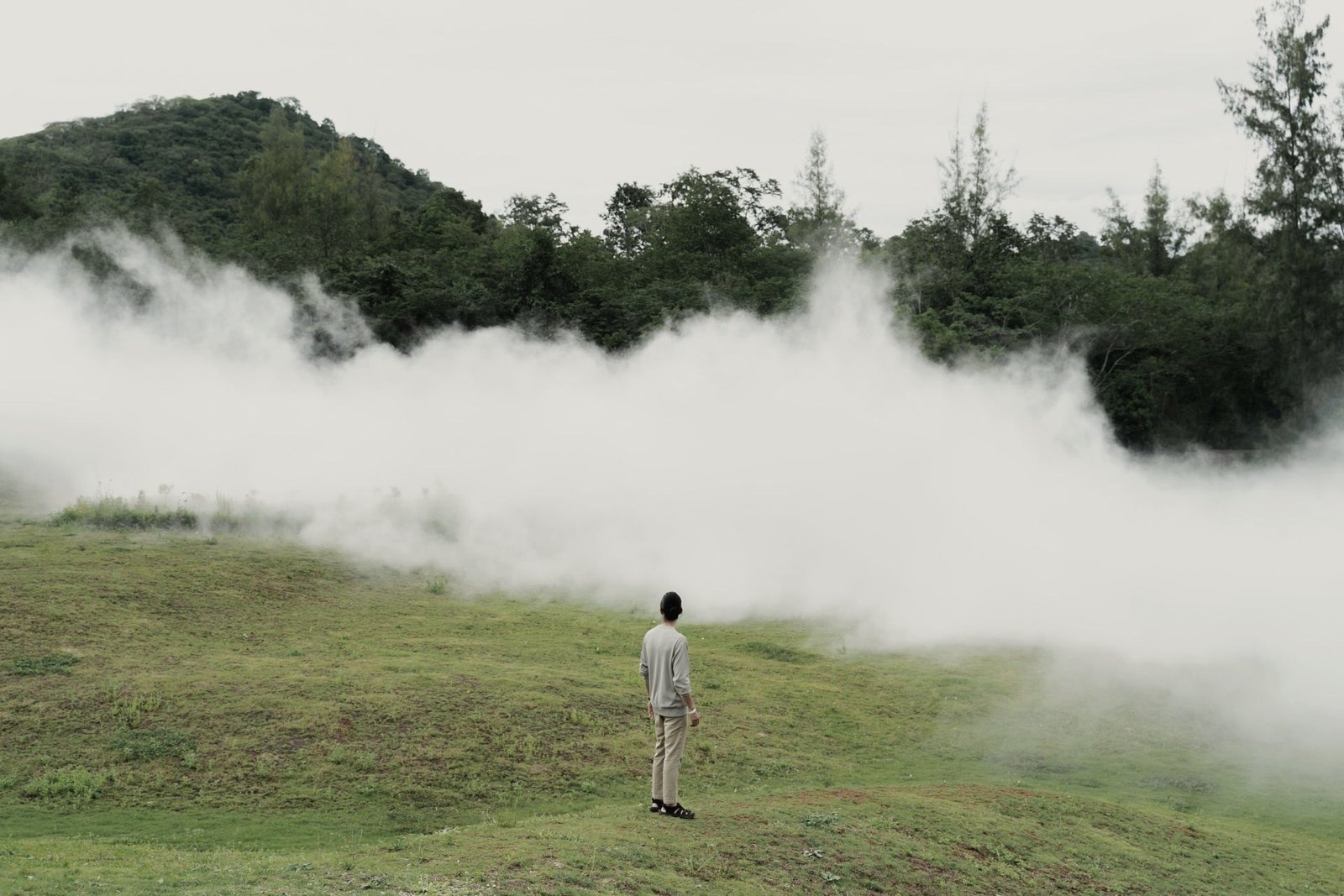
Ask an HR leader in Bangkok, Singapore or Jakarta what worries them most and burnout will be near the top of the list. It rarely arrives as a crisis. It arrives as a slow change in how people work: the good performer who stops volunteering ideas, the manager who answers emails at midnight and snaps in meetings, the team that hits its numbers but quietly updates their LinkedIn profiles. By the time burnout shows up in resignation letters, it has usually been costing the business for a year or more.
This article looks at what burnout actually is, why it is particularly common in Asian workplaces, where the real costs sit, and what the evidence says organisations can do about it. It is written for HR and People teams who need to explain the issue to leadership in plain, business terms.
First, What Burnout Is (and Isn't)
In 2019 the World Health Organization added burnout to the ICD-11 as an occupational phenomenon, code QD85. That wording matters. Burnout is not classified as a medical illness, and it is not a personal weakness. The WHO defines it as a syndrome resulting from chronic workplace stress that has not been successfully managed. In other words, it is a mismatch between the demands of the job and the resources people have to meet them, sustained over a long period.
The WHO describes three dimensions, and they are worth knowing because they look different in practice:
- Exhaustion. Feeling depleted of energy. Sleep no longer restores people, weekends are spent recovering rather than living, and small tasks feel heavy.
- Mental distance or cynicism. Pulling away from the job emotionally. People stop caring about outcomes, become sarcastic about leadership decisions, or do the minimum.
- Reduced professional efficacy. Feeling less effective. Work takes longer, mistakes increase, and people lose confidence in their own ability.
The important insight for HR is that these three rarely move together. Someone can be exhausted but still highly engaged, which is common among loyal, high-performing staff. Someone else can be cynical without seeming tired at all. If you only look for visible tiredness, you will miss a large part of the picture.
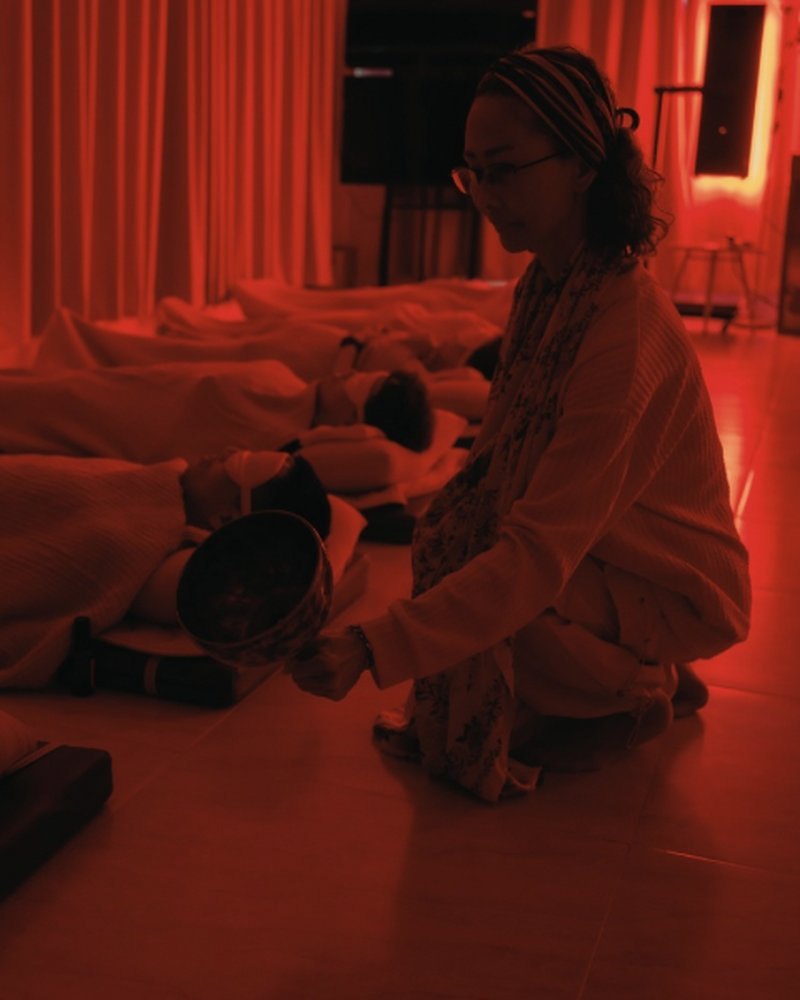
Recovery needs real rest, not just time off: quiet sessions that give people space to slow down.
Why Asian Workplaces Are Especially Exposed
McKinsey Health Institute's research on employee mental health in Asia found that roughly one in three employees in the region reported burnout symptoms, higher than the global average of around a quarter. The reasons are partly cultural and partly structural, and understanding them helps explain why generic wellness solutions often fail here.
- Long hours as a signal of commitment. In many organisations, being visibly busy and available late is still read as loyalty. That makes rest feel risky.
- Hierarchy and saving face. Telling a manager "I am not coping" can feel like losing face for both sides. Problems stay hidden until they become serious.
- Regional roles across time zones. Teams that serve headquarters in Europe or the US often absorb early-morning and late-night calls on top of a full local day.
- Stigma around mental health. Employee assistance programmes exist on paper, but usage stays low because people worry about being seen to need help.
Where the Costs Actually Sit
Leadership teams tend to think about burnout in terms of sick days. Sick leave is real, but it is often only a small part of the picture. Gallup's 2025 State of the Global Workplace report estimated that low engagement cost the world economy around US$438 billion in lost productivity in a single year, and found that global engagement had fallen to 21%. Burnout is one of the main engines behind that disengagement. The costs show up in four places:
- Presenteeism. People who are at work but running at a fraction of their capacity. This is often a large hidden cost, because attendance looks normal.
- Turnover. Replacing an experienced employee commonly costs a large share of their annual salary once recruitment, onboarding and lost knowledge are counted. Burnout tends to push out the most conscientious people first.
- Errors and safety. Exhausted people make more mistakes. In finance, healthcare, logistics and manufacturing, that becomes a risk issue, not just an HR one.
- Contagion. Burnout spreads through teams. When one person disengages, colleagues pick up the slack, and their own load rises. Managers who are burned out also lead in ways that raise stress for everyone below them.

Real rest is a skill. Many high performers have simply never been taught how to switch off.
Why the Usual Fixes Miss
Most organisations respond to burnout with one of three tools: a meditation app subscription, an annual wellness day, or an employee assistance hotline. Each has value, but all three share a weakness. They put the responsibility on the individual to fix something that was largely created by how work is organised. A Harvard-led randomised trial of a large workplace wellness programme found that while employees reported healthier behaviours, there was no significant change in clinical health measures or job performance over the study period. The message is not that wellness is useless. It is that wellness bolted onto an unchanged system rarely moves the numbers that matter.
Recovery research offers a more useful lens. Work psychologists such as Sabine Sonnentag have spent two decades studying what actually helps people recover from work stress. They consistently find four ingredients: psychological detachment (genuinely not thinking about work), relaxation, mastery experiences (learning or doing something absorbing outside work), and a sense of control over one's own time. Notice what is missing from that list: a lunchtime webinar about resilience.
A Five-Step Plan HR Can Take to Leadership
- Measure before you act. Use a short, validated tool such as the Copenhagen Burnout Inventory or the WHO-5 wellbeing index, anonymously, by team. You are looking for hotspots, not individuals.
- Fix one structural driver. Pick the biggest load driver the data shows, such as meeting overload, after-hours messaging or unclear priorities, and change one rule. A "no internal messages after 8pm" norm costs nothing and signals more than a poster.
- Train managers first. Managers are where burnout is either amplified or absorbed. A half-day on spotting early signs and holding a supportive conversation has more reach than any individual programme.
- Give teams real recovery time. Not another workshop in a meeting room, but time away from screens and routines, ideally in nature, where detachment actually happens. This is where a well-designed retreat earns its place.
- Re-measure and report. Repeat the same survey after six to eight weeks and share aggregate results with leadership. What gets measured gets funded next year.

Recovery needs spaces designed for rest, not just time away from the desk.
Making the Business Case
When you take this to leadership, avoid framing it as a perk. Frame it as risk and performance. Show the survey hotspots, estimate the cost of losing two or three key people in those teams, and propose a small, measured pilot with a clear before-and-after. Leaders who would never approve a "wellness budget" will often approve a retention and productivity experiment with numbers attached.
Frequently Asked Questions
What is the main cause of employee burnout? The WHO describes burnout as the result of chronic workplace stress that has not been successfully managed. The biggest drivers are usually workload, lack of control, unfair treatment and poor support from managers, rather than personal weakness. How do you measure burnout in a company? Use short anonymous pulse surveys on exhaustion, cynicism and workload, and track sick leave, overtime and turnover by team. Patterns by team matter more than a single company-wide score. Can a wellness retreat fix burnout? A retreat can start recovery and teach practical skills, but it cannot fix workload or management problems on its own. It works best as part of a wider plan that also changes how work is organised.
Healiday works with HR teams on exactly this kind of pilot, combining validated pre- and post-assessments with team recovery days in nature. If you would like to see how that looks in practice, our corporate programmes page has the details. And if you are still building the case, our article on spotting burnout early is a practical next read.