
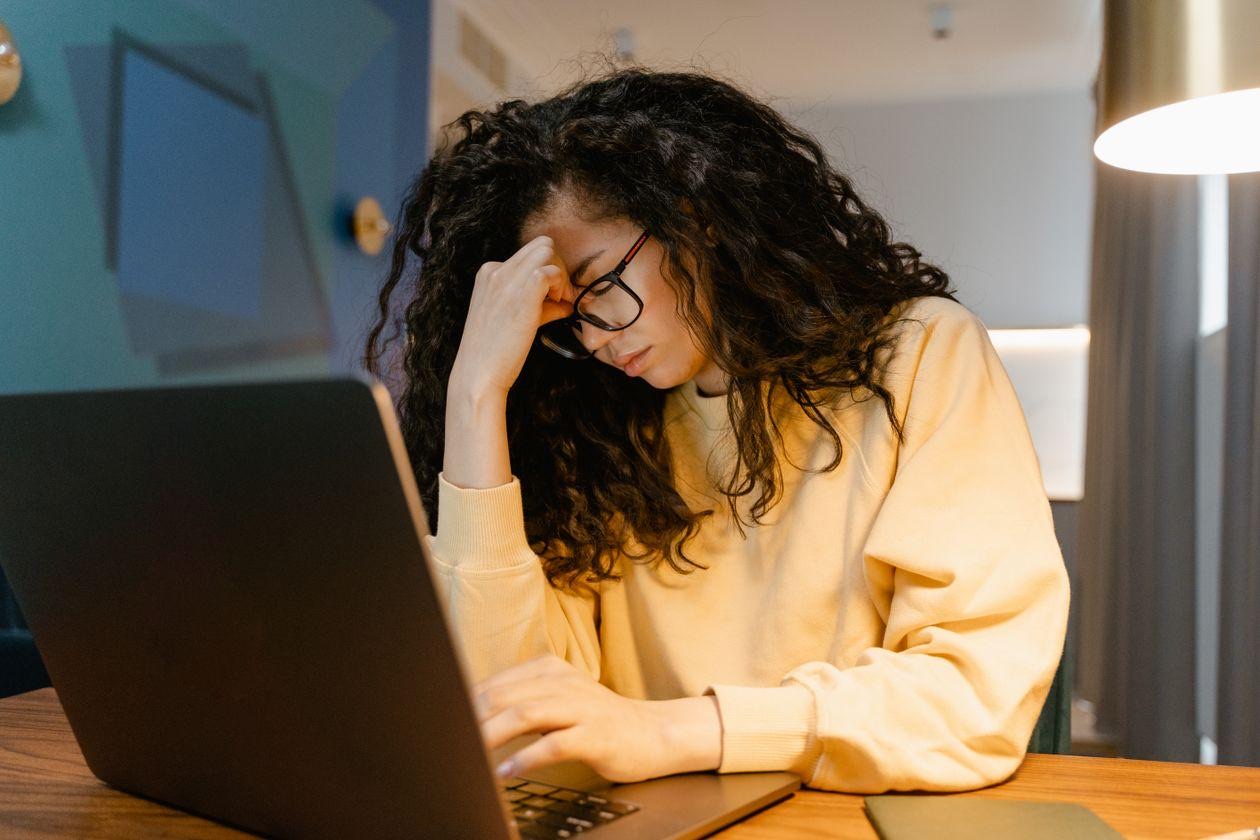
Ambitious, skilled and running on empty: a new survey suggests burnout is widespread among women in tech. Photo: MART PRODUCTION / Pexels
If you've been telling yourself that everyone's tired right now, you're not wrong. But a new survey suggests that for women in tech, "tired" has quietly become something much bigger. And if you've been searching for a burnout retreat for women in Bangkok, it's worth understanding why a generic reset often isn't enough.
The numbers: most women surveyed report some burnout
In November 2026, managed services provider Ensono published its sixth annual "Speak Up" survey of 1,500 women working in tech across the UK, US and India. As reported by Workplace Wellbeing Professional on 17 November, the findings are stark:
- 87% report some level of burnout, and 60% of those describe it as moderate, very or extreme.
- 42% say AI has raised expectations to produce more work in less time, even though 62% say AI has made their workload more manageable.
- 53% say their organisation now requires more office days than a year ago, and 49% name balancing caregiving with work as the main challenge of in-person working.
- And yet 83% aspire to an executive leadership role.
Read that last point again. These are ambitious, highly skilled women who want to lead. The problem isn't motivation. It's load. The survey doesn't cover Southeast Asia, but if you lead or work in a fast-moving team in Singapore, Manila or Bangkok, the pattern will probably feel familiar.
The load isn't only at work
Many women carry a second shift outside the office: children, aging parents, partners, households. New research from the National Alliance for Caregiving and AARP, released on 17 November, found that US family caregivers looking after an adult report about 40% more days of poor mental health than the average adult, and that while 39% say respite care would help, only 13% have ever used it (PR Newswire).
Put the two together and you get a familiar picture: a woman who is excellent at her job, holding everything together at home, and running on fumes she's stopped noticing.
Why a women's burnout reset needs to be different
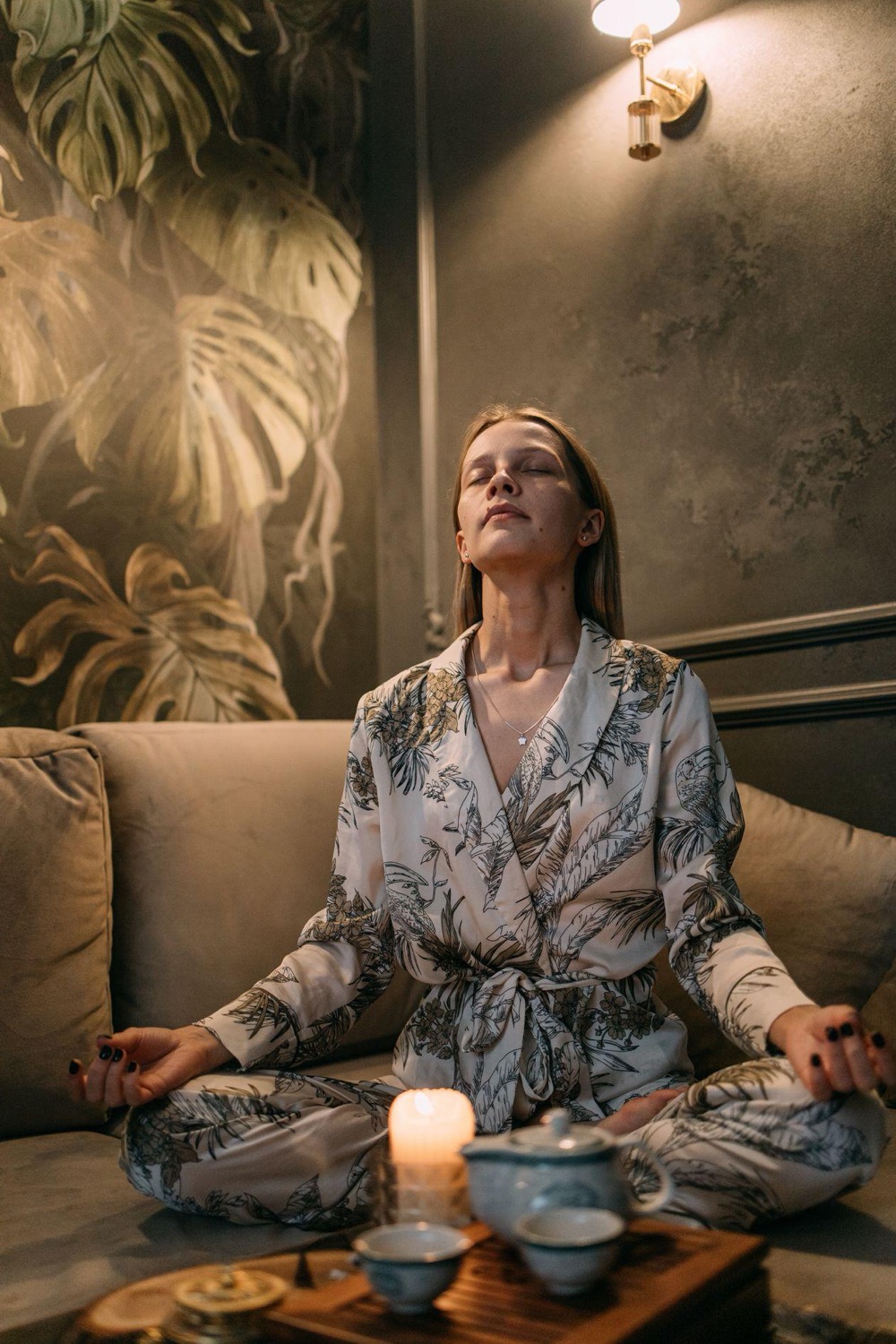
Rest only works when it feels safe and private. Photo: Ivan S / Pexels
Burnout doesn't look identical for everyone, and recovery shouldn't either. A few reasons a tailored approach matters:
Hormones and stress are connected
Stress, sleep, energy and mood interact with women's hormonal rhythms across the cycle and through life stages such as perimenopause. Generic "sleep more, stress less" advice ignores that context. A tailored reset looks at the whole picture, with qualified professionals, rather than guessing.
Symptoms are easy to dismiss
Fatigue, brain fog, poor sleep and irritability are often written off as "just a busy season". Without data, it's hard to know what's stress, what's lifestyle and what might need a proper medical conversation. A health screening reviewed by a qualified doctor turns vague symptoms into something you can discuss and act on.
Rest has to feel safe to actually work
Many women find it hard to switch off in group settings or in environments that feel performative. A private retreat removes that pressure: no small talk, no comparison, just space.
The plan has to fit real life
A plan that assumes two hours of free time a day won't survive contact with a school run and a quarterly board meeting. Realistic, personalised habits are the ones that stick.
What a good burnout retreat for women in Bangkok should include
If you're comparing options, look for:
- A structured assessment at the start, reviewed by specialists, covering health markers, sleep, stress and energy.
- Women's-health expertise, not just a women-only label.
- Evidence-based therapies: movement, nutrition, breathwork, recovery and genuine rest, each with a clear purpose.
- Privacy and flexibility, so the retreat fits around you rather than the other way round.
- A personalised plan for after, with clear priorities for the next few months.
- Short, focused formats. Bangkok suits this well: two or three days can give you real clarity without needing a week away.
Practical takeaways for women leaders and HR teams
If you're a woman leader:
- Notice the early signs: sleep that doesn't refresh you, Sunday dread, losing patience with people you love.
- Treat your health data like business data. You wouldn't run a company on guesswork.
- Book the reset before the crash, not after.
If you're in HR or leadership:
- Ask whether rising office-day and AI-productivity expectations are being matched with real support.
- Recognise caregiving as a wellbeing risk, and consider flexible arrangements and respite-friendly policies.
- Offer wellbeing support people can use privately and without stigma. Tailored retreats can be part of a leadership-development or retention budget, especially for high-potential women.
- Measure what matters: retention of senior women, sick leave, and engagement, not just program sign-ups.
How Healiday can help
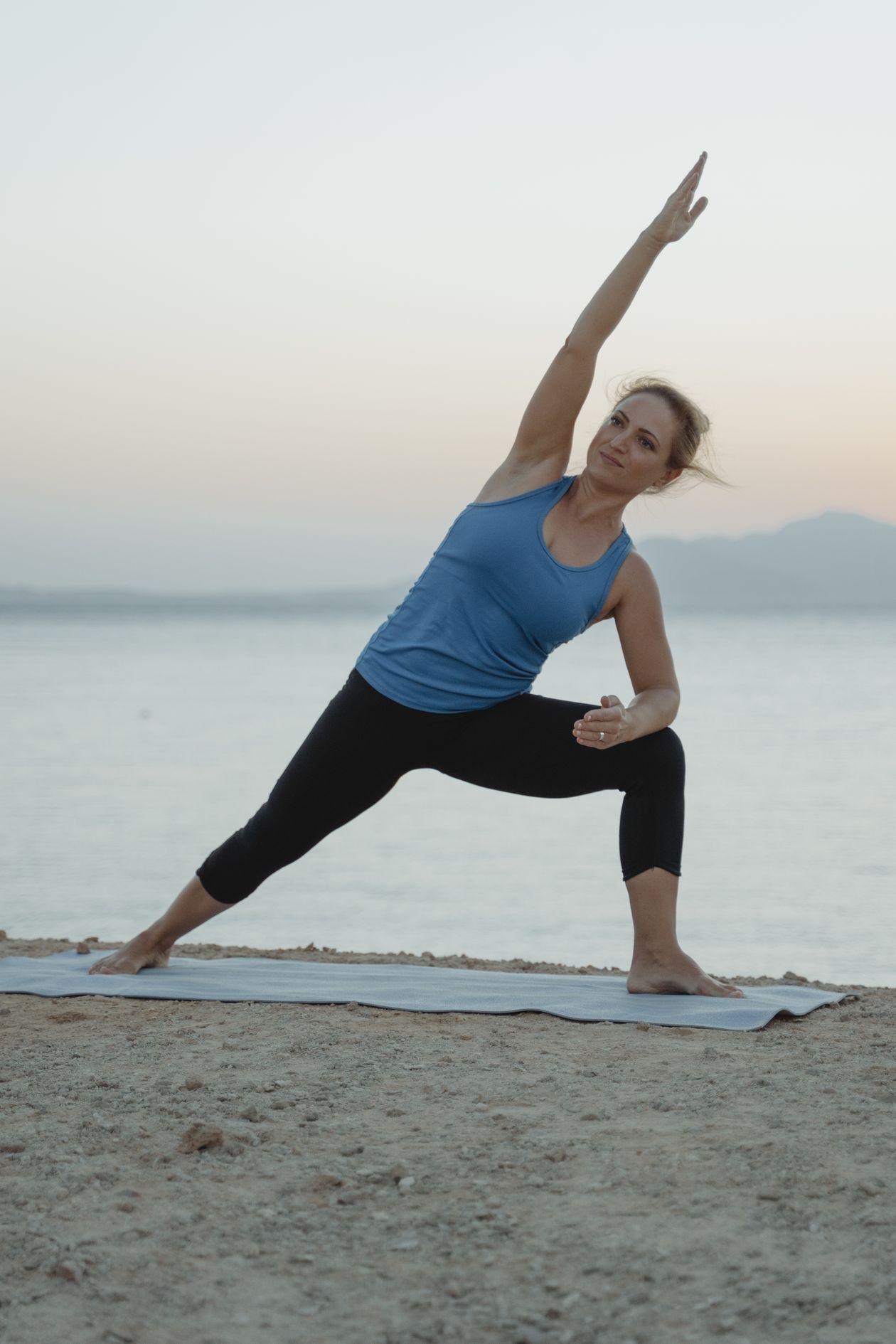
A reset you can take home: realistic habits that fit real life. Photo: Tima Miroshnichenko / Pexels
Our Her Rhythm Retreat is a private three-day, two-night retreat in Bangkok, designed with a women's health doctor around women's health and natural rhythms. It starts with a seven-marker hormone screening at a licensed partner facility, continues with restorative sessions such as a hormone-supportive cooking class, hyperbaric oxygen sessions, infrared sauna and ice bath, yoga or breathwork and a Thai spa, and ends with a private session with obstetrician-gynaecologist Dr. Punika Panichaya and a 90-day lifestyle plan for your stage of life. So you leave with clarity and a path forward, not just a nice memory. Hyperbaric oxygen, sauna and ice baths aren't suitable for everyone, including people with heart conditions or high blood pressure, or during pregnancy, so every guest is screened first.
Need a broader reset focused on sleep, energy and stress? Our private Restore Retreat in Bangkok is built for exactly that.
Flying in from Singapore, Manila or beyond? Private transport throughout your trip and a dedicated trip assistant are included, so the only thing on your list is you.
FAQ
What is a burnout retreat for women?
It's a short, structured program that gives women time, information and space to step back from chronic stress and exhaustion. The best ones combine health screening, women's-health expertise and evidence-based therapies, and end with a personalised plan for home.
How is a women's wellness retreat in Thailand different from a spa holiday?
A spa holiday focuses on relaxation. A women's wellness retreat focuses on understanding what's driving your exhaustion and giving you a practical plan to change your habits, with relaxation as part of the process.
Can a 3-day retreat make a difference to burnout?
A short retreat won't undo years of overload on its own, and it isn't a medical treatment. What it can offer is clear information about your health, real rest and a realistic plan. The follow-through over the next 90 days is where lasting change happens.
Is a private wellness retreat in Bangkok suitable if I'm travelling from abroad?
Yes. Bangkok is a short flight from much of Asia, and a private format means the schedule can be built around your arrival and departure.
Your reset starts here
You've been holding everything together. Let us hold some of it for a few days. Schedule a consultation to talk about Her Rhythm Retreat, or take our assessment to find your best fit. Make your holiday a Healiday.
Sources
- Workplace Wellbeing Professional – Almost 9 in 10 Women in Tech Report Burnout as Office and AI Expectations Rise, Survey Shows (17 Nov 2026)
- PR Newswire / National Alliance for Caregiving and AARP – Research Finds Family Caregivers Experience 40% More Days of Poor Mental Health Than Other U.S. Adults (17 Nov 2026)
- Healiday – Her Rhythm Retreat
This article is for general information and is not medical advice. Healiday retreats are wellness programs and do not diagnose, treat or cure any medical condition. Health screenings and therapies are provided by licensed partner facilities, subject to medical suitability, and individual experiences vary.